
With its crisp bulb and licorice-like flavor, fennel has been used in kitchens and herbal traditions alike for centuries. This aromatic plant is more than just a flavorful vegetable — it has a long history as a digestive aid and wellness-supporting herb.
Traditionally used to soothe the stomach, freshen the breath, and support overall digestion, fennel remains a staple in both culinary and herbal practices today. From roasted fennel bulbs to fennel tea and spice blends, every part of the plant offers both flavor and functional benefits.
Key Takeaways
- Fennel is a flavorful herb and vegetable traditionally used to support digestion.
- The plant contains beneficial compounds like fiber and antioxidants.
- Fennel has a long history in herbal medicine across Mediterranean, Middle Eastern, and Asian cultures.
- The bulb, seeds, and fronds are all edible and widely used in cooking.
- Its mildly sweet, licorice-like flavor makes it a favorite in both savory dishes and herbal teas.
What is Fennel?
Fennel (Foeniculum vulgare Mill) is a flowering plant in the carrot family known for its aromatic seeds, feathery green fronds, and pale bulb. Native to the Mediterranean region, fennel is now cultivated around the world for both culinary and herbal use.
Different varieties exist, including bulb fennel (commonly used as a vegetable) and wild fennel, which is often harvested for its seeds and leaves. The plant grows tall with hollow stems and feathery leaves. It produces clusters of small yellow flowers that eventually develop into the seeds used as a spice. The plant’s crisp white bulb can be eaten raw or cooked, along with delicate leaves that resemble dill. Fennel seeds, which are actually the plant’s dried fruits, are widely used as a spice and herbal remedy.
One of fennel’s defining characteristics is its flavor. The plant contains natural compounds that give it a slightly sweet, anise-like taste. This makes it a popular ingredient in soups, salads, roasted vegetable dishes, teas, and spice blends.

The Health Benefits of Fennel
Fennel has been valued for centuries not only for its flavor but also for its supportive effects on digestion and overall wellness.
1. Supports Digestive Health
Fennel is perhaps best known for its traditional use as a digestive aid. Fennel seeds are commonly used in teas or herbal blends to help ease occasional bloating, gas, and digestive discomfort.
The plant contains aromatic oils, including anethole, which may help relax digestive muscles and support healthy digestion. This is one reason fennel seeds are often served after meals in many cultures.
A study in mice (with acute lung injury from infection) concluded that fennel also protects and supports the gastrointestinal tract and may prevent ulcers. More research on humans is needed, but the results are promising.
2. Rich in Antioxidants
Fennel contains naturally occurring antioxidant properties, which help protect cells from oxidative stress. These compounds support overall wellness and contribute to the plant’s reputation as a nourishing food.
3. Provides Dietary Fiber
The fennel bulb is a good source of fiber, which supports digestive regularity and gut health. Fiber also contributes to feelings of fullness and can support balanced nutrition.
4. May Support Respiratory Comfort
In traditional herbal practices, fennel has sometimes been used to support respiratory comfort. Its aromatic oils are believed to help soothe the throat and promote clear breathing.
One modern-day study in mice notes that fennel may reduce airway inflammation; however, there isn’t strong data to support this claim in humans.
5. Supports Overall Nutritional Wellness
Fennel provides a variety of nutrients, including vitamin C, potassium, and small amounts of other vitamins and minerals. Combined with its fiber and phytonutrients, this makes fennel a nutritious addition to a balanced diet.
History and Traditional Uses
Fennel has a rich history that stretches back thousands of years. The plant was widely used in ancient Mediterranean cultures for both culinary and medicinal purposes.
Ancient Greek and Roman physicians valued fennel for digestive support and general wellness. The plant was also associated with vitality and longevity, and it appeared in various herbal preparations.
Throughout the Middle Ages, fennel continued to be used in European herbal traditions. It was commonly included in digestive tonics, herbal teas, and cooking.
In India and parts of the Middle East, fennel seeds remain a traditional after-meal digestive. They are often chewed on their own or included in spice blends and herbal preparations. In Persian lore, it’s been used to help fertility.
This long history of use reflects fennel’s dual role as both a flavorful ingredient and a supportive herbal plant.
Botanical Overview

Botanical name: Foeniculum vulgare Mill
Family: Apiaceae (which also includes carrots, parsley, celery, and dill)
Common names: Fennel
Location: Fennel thrives in sunny climates and well-drained soil, which is why it grows especially well in Mediterranean regions. Today, it is cultivated around the world for culinary use, herbal supplements, and teas.
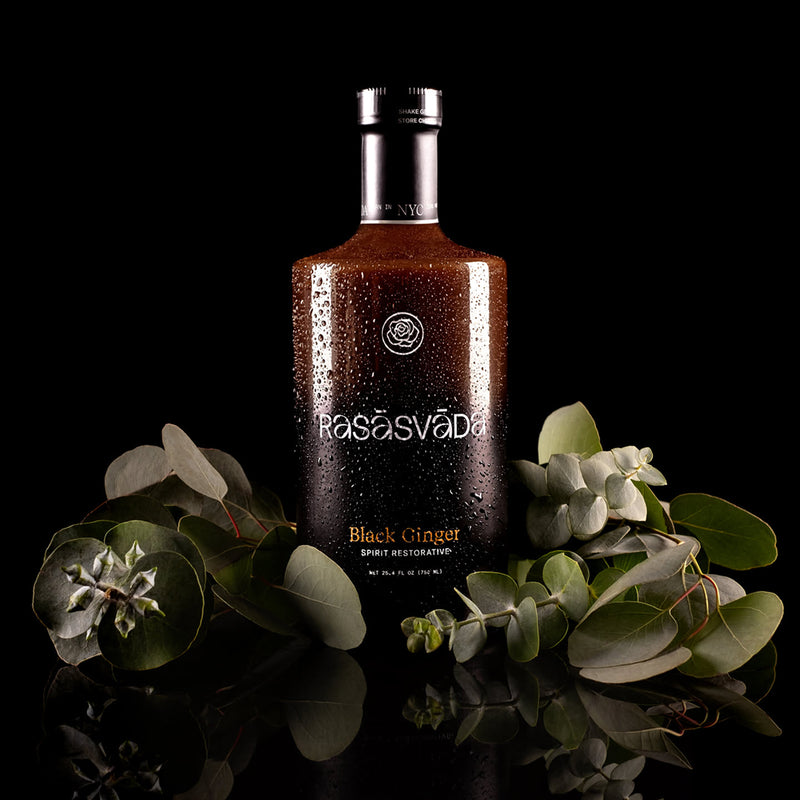
Fennel in Rasāsvāda
Fennel’s naturally sweet, aromatic flavor makes it a beautiful complement to herbal blends and is found in Black Ginger. It helps create balanced flavor profiles while contributing traditional digestive-supporting qualities.
- Supports digestive health
- Sourced from: Egypt
FAQs
Disclaimer
This content is for educational purposes only and is not intended as medical advice. Consult a qualified healthcare professional before starting any new herbal regimen, especially if you are pregnant, nursing, having existing medical conditions, or taking medication.
100% plants. 0% preservatives.
Sources
Antimicrobial and antioxidant activities of fennel oil - PMC
Dietary fiber: Essential for a healthy diet - Mayo Clinic
[The] effect of a fennel seed extract on the STAT signaling and intestinal barrier function - PMC
Pharmacological, nutraceutical, functional and therapeutic properties of fennel (Foeniculum vulgare). Noreen, S., Tufail, T., Badar-Ul-Ain, H., & Awuchi, C. G. (2023). International Journal of Food Properties, 26(1), 915–927. https://doi.org/10.1080/10942912.2023.2192436