
Not long ago, drinking less or abstaining completely from alcohol was often associated with recovery, sobriety, or possible medical contraindications. Today, a growing number of people are choosing to reevaluate their relationship with alcohol—not because they have to, but because they're curious about how they would feel without it.
Known as the “sober curious movement,” this nomenclature started in the late-2010s (most likely with Ruby Warrington’s book Sober Curious from 2018) and encourages people to approach drinking with greater awareness and intention. Rather than focusing on strict rules or labels, sober curiosity invites folks to explore what happens when they drink less, take breaks from alcohol, or choose alcohol-free alternatives.
In 2026, the movement is still going strong as more people prioritize wellness, mental clarity, sleep quality, and overall balance. From alcohol-free social events to sophisticated non-alcoholic spirits and mocktail menus, sober curiosity has evolved into a lifestyle that emphasizes choice over obligation.
Key Takeaways
- The sober curious movement encourages people to examine their relationship with alcohol and make intentional drinking choices without stigma.
- Being sober curious is not the same as being sober or in recovery.
- Many people are drinking less to support wellness, sleep, mental health, and longevity goals. They have noticed the signs of health risk including injury, disease, and job loss.
- The rise of non-alcoholic spirits, zero-proof cocktails, and alcohol-free social spaces has made mindful drinking more accessible than ever.
- Sober curiosity focuses on awareness and flexibility rather than strict abstinence.
What is the Sober Curious Movement?
The sober curious movement encourages people to question the role alcohol plays in their lives and make more intentional decisions about when, why, and how much they drink.
Rather than following a rigid set of rules, sober curiosity exists on a spectrum. Some people take month-long breaks from alcohol (you’ve probably heard of Dry January), while others choose to drink only on special occasions or reduce their overall consumption.
At its core, the movement is about mindfulness. Instead of drinking automatically out of habit, social pressure, or routine, sober curious individuals pause to consider whether alcohol aligns with how they want to feel physically, mentally, and emotionally.
This approach has helped redefine what alcohol-free wellness can look like, making it easier for people to explore moderation without adopting a permanent label.

Why Are So Many People Trying It in 2026?
Several cultural and wellness trends have contributed to the continued popularity of mindful drinking in 2026.

1. Increased Focus on Wellness
Consumers are paying closer attention to habits that influence sleep, energy, stress, and long-term health. As a result, many people are becoming more aware of alcohol's effects on recovery, mood, and overall well-being.

2. Growing Interest in Longevity
The rise of longevity-focused wellness has encouraged people to evaluate lifestyle factors that may impact healthy aging. Many individuals are choosing to reduce alcohol consumption as part of a broader wellness strategy that includes nutrition, exercise, stress management, and restorative sleep.

3. Better Alcohol-Free Options
Today's non-alcoholic beverages are a far cry from the sugary mocktails of the past. The market now includes sophisticated non-alcoholic spirits, botanical elixirs, functional beverages, and craft zero-proof cocktails that offer complexity and ritual without alcohol.

4. Changing Social Norms
Choosing not to drink is increasingly normalized. Alcohol-free menus, sober social events, and wellness-focused gatherings have made it easier for people to participate fully without feeling excluded.
Potential Benefits of a Sober Curious Lifestyle
While everyone's experience is different, many people report positive changes when they become more intentional about alcohol consumption.
1. Better Sleep Quality
Alcohol can interfere with normal sleep architecture and restorative sleep cycles. Many sober curious individuals report feeling more rested and energized after reducing alcohol intake.
2. Improved Mental Clarity
Some people notice greater focus, concentration, and emotional stability when drinking less frequently.
3. Increased Energy
Alcohol can contribute to fatigue and dehydration. Reducing consumption may help support more consistent energy levels throughout the day.
4. Greater Awareness of Habits
One of the most significant benefits of sober curiosity is increased self-awareness. By removing alcohol from certain situations, individuals can better understand their motivations, routines, and social patterns.
5. Support for Overall Wellness Goals
Many people find that drinking less aligns with broader wellness priorities, including fitness, nutrition, stress management, and healthy aging.
What Do Sober Curious People Drink Instead?
The sober curious movement has fueled an explosion of creative alcohol-free alternatives. Popular options include:
- Sparkling waters with herbs or botanical elixirs
- Functional beverages featuring adaptogens or mushrooms
- Non-alcoholic wines, beers, and spirit alternatives
- Tea-based cocktails (like Kombucha)
- Zero-proof cocktails and mocktails
Many people enjoy these beverages because they preserve the ritual and social experience of drinking, but while avoiding alcohol.
Rasāsvāda x Sober Curious
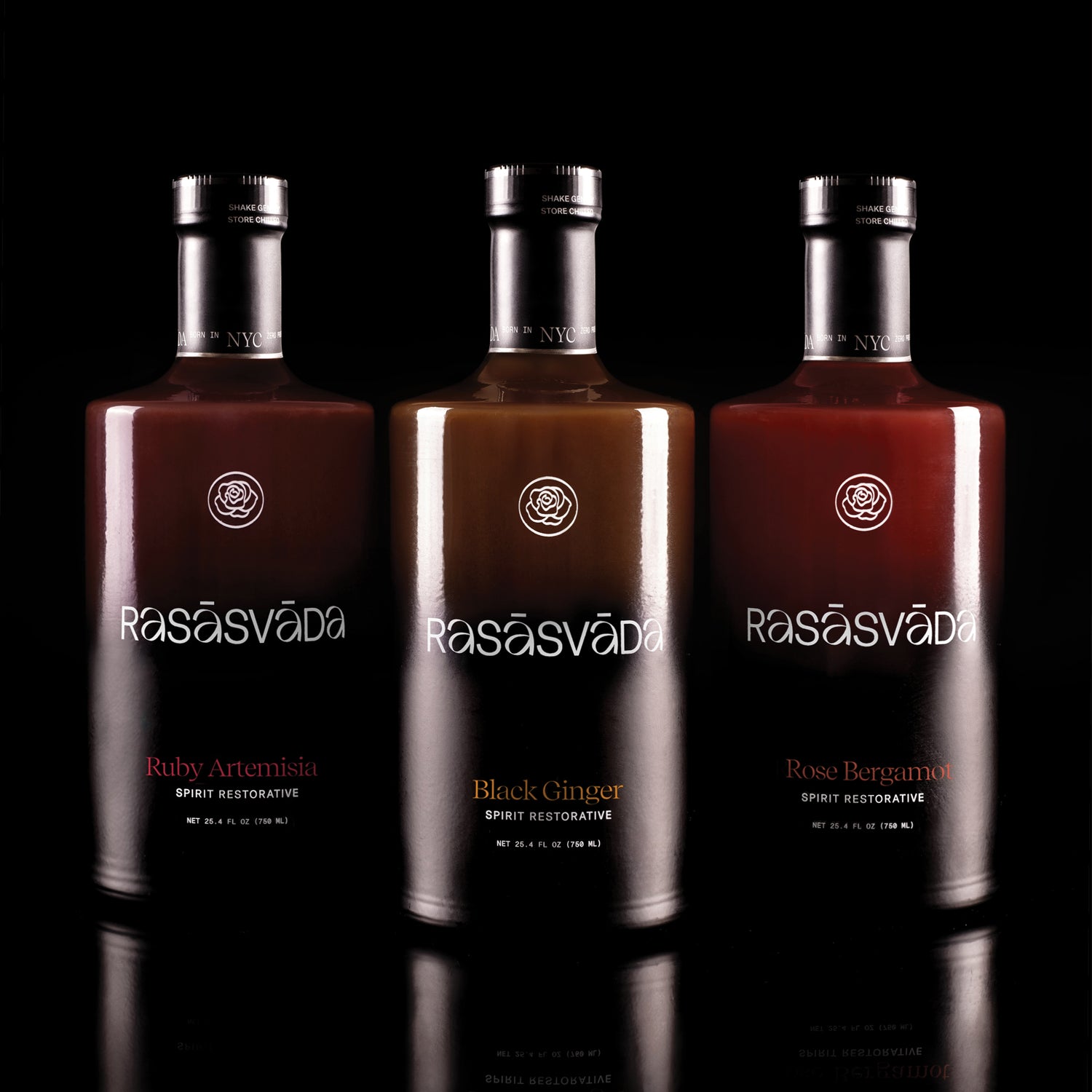
For many people exploring the sober curious lifestyle, beverages become more than just something to drink—they become part of a daily ritual.
Rasa's botanical blends offer flavorful, alcohol-free alternatives that support moments of connection, relaxation, and enjoyment. Crafted with adaptogens, herbs, and functional ingredients, they provide complexity and depth without relying on alcohol.
Whether enjoyed as part of a morning routine or an evening wind-down ritual, our plant-based beverages can help support the mindful, intentional approach that defines the sober curious movement.
FAQs
Disclaimer
This content is for educational purposes only and is not intended as medical advice. Consult a qualified healthcare professional before starting any new herbal regimen, especially if you are pregnant, nursing, having existing medical conditions, or taking medication.
100% plants. 0% preservatives.