
Damiana leaf is a small, unassuming desert shrub with big benefits to human health. First discovered by the Mayans and Native Americans for its aphrodisiac properties, it is still valued in herbalism practices today, and researchers have reason to believe this potent botanical has anti-anxiety effects, neuroprotective properties, and benefits for men’s health.
Read on to learn about damiana leaf’s science-backed benefits, along with its uses in traditional medicine.
Key Takeaways
- Damiana is a woody desert shrub that is native to Mexico, Central and South America, and parts of the Caribbean.
- It was traditionally used by the Mayans and Native Americans as an aphrodisiac.
- Research suggests that it may help support men’s health, libido, anxiety, and mood. It’s also a rich source of antioxidants.
- Damiana is one of the foundational ingredients in Ruby Artemisia, a restorative spirit that boasts the power of over 13 beneficial botanicals.
What is Damiana Leaf?
Damiana leaf is a short leafy desert shrub with starlike yellow flowers that bloom in the summer. It's native to Southern Texas, Mexico, Central and South America, and the Caribbean.
The plant may be harvested when it's in bloom but it's not the flowers that are sought after, it’s the leaves. The leaves have a distinct sweet and aromatic flavor with some notes of licorice and citrus. As is true with most botanicals, where there’s flavor, there are health benefits. The leaves contain beneficial phytochemicals that have a myriad of health benefits and are often used in teas, tonics, and supplements.

Key Health Benefits of Damiana Leaf
The antioxidants in this botanical are responsible for many of its health benefits, including supporting men’s health, mood, and brain health.
1. Antioxidant Support
Today’s health products all seem to tout antioxidant benefits. A fact that, ironically, may cause us to overlook them. But antioxidants, and plant-sourced antioxidants in particular, shouldn’t be written off as a fad. The health of our cells determines the health of the whole body. And while damage to our cells is a normal part of aging, it can also be accelerated by environmental factors such as exposure to air pollution, alcohol, lack of sleep, stress, and more. Antioxidants can negate some of this cell damage by neutralizing the free radicals that cause it. Damania leaf contains a variety of antioxidants like quercetin, apigenin, and acacetin, all of which are beneficial to human health in ways we’ll discuss below.
2. Aphrodisiac
Damiana leaf's reputation as an aphrodisiac stems from its history in Mayan traditional medicine. The Mayans traditionally used damiana leaf to make a beverage that was believed to help support sexual vigor. Most evidence for damiana’s aphrodisiac effects is anecdotal, but one rat study found that compounds found in the leaf improved male arousal. Scientists think they know why damiana leaf works, too. Certain flavonoids (a group of beneficial plant compounds) may help trigger nitrous oxide, which relaxes blood vessels, promoting blood flow.
Importantly, most of the studies on arousal and sexual health are specific to men, with male mice being the most common research subject. Scientists theorize that compounds in damiana leaf may play a role in women’s libido, too, as certain compounds may mimic the hormone estrogen. How this botanical acts in the human body is less clear, and research is still ongoing.
3. Men’s Health
Damiana leaf is a popular choice for men’s health support. But how protective is this botanical, really? Damiana leaf is full of antioxidants, powerful compounds that can help protect cells from damage. Scientists theorize that these antioxidants lend themselves to testicular health. One study found that rats who were given damiana leaf extract had less inflammatory markers compared to untreated rats. This finding supports that of other rat studies, which found similar protective effects of damiana leaf. Still, human studies will need to be conducted to confirm that the benefits in rats translate to humans.
4. Anxiety and Mood Support
Adaptogens are botanicals that help ease the negative effects of stress. Sometimes by keeping stress hormones, like cortisol, in check. Researchers theorize that this is one way damania leaf may work to ease stress and anxiety. In addition to relieving anxiety, damania leaf may help balance brain inflammation, boasting neuroprotective effects, according to one animal study. These findings are promising, especially given the need for anti-anxiety treatments that are effective and have minimal side effects. Animal studies are just the beginning, and researchers are still figuring out the most effective and safe dose for damiana leaf.
History and Traditional Uses
Damiana leaf is native to Central and South America, parts of the Carribean and Mexico. It was likely first used by the Mayans, who popularized the shrub, claiming it had aphrodisiac effects. In 1874, it was even marketed in the US with claims to be a powerful invigorant and to improve sexual abilities. And while it may have been popularized for its aphrodisiac effects, it's been used in traditional medicine for other ailments too, including anxiety, neurological conditions, and a depressed mood. Its use is so pervasive in traditional medicine that it was added to both the US National Formulary and the British Herbal Pharmacopoeia (BHP). Two resources that are meant to set quality, purity, and strength standards for herbs and botanical extracts.
Botanical Overview

- Botanical Name: Turnera diffusa (sometimes listed as Turnera aphrodisiaca)
- Family: Passifloraceae (formerly Turneraceae)
- Common Names: Damiana, Mexican Damiana, Old Woman’s Broom, Oreganillo
- Location: Native to Central America, Mexico, South America, and parts of the Caribbean. It grows in dry, rocky, and subtropical climates, particularly in regions of Mexico, Texas, and the West Indies.
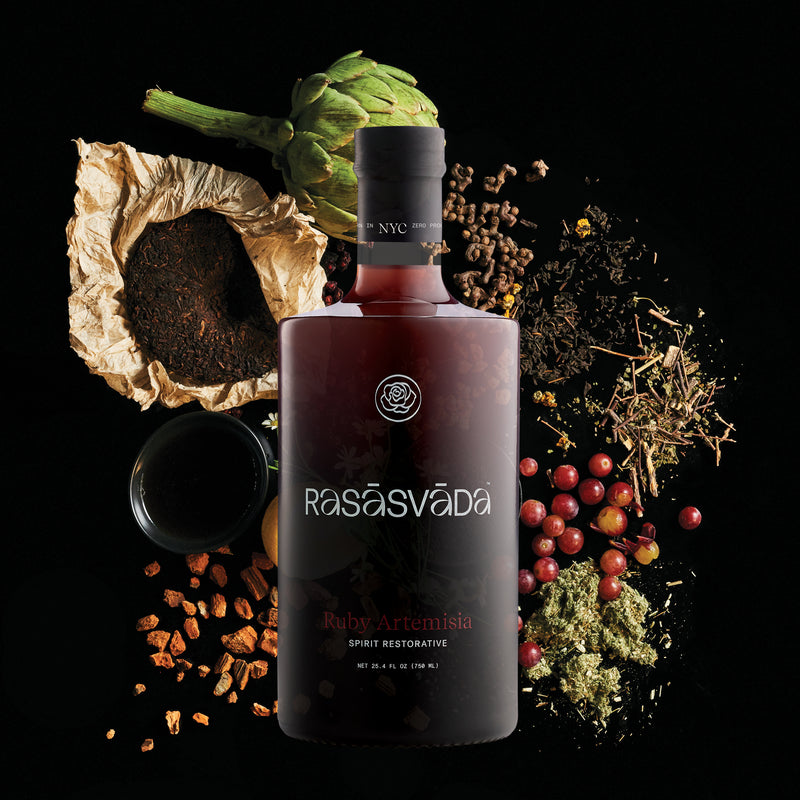
Damiana Leaf in Rasāsvāda
- Supports full-body health, including longevity, gut health, and skin health.
- Brings an earthy flavor with notes of citrus and licorice.
- Source: Mexico
FAQs
Disclaimer
This content is for educational purposes only and is not intended as medical advice. Consult a qualified healthcare professional before starting any new herbal regimen, especially if you are pregnant, nursing, having existing medical conditions, or taking medication.
100% plants. 0% preservatives.
Sources
Journal of Ethnopharmacology | Ethnobotany, phytochemistry, and bioactivity of the genus Turnera (Passifloraceae) with a focus on damiana—Turnera diffusa
Journal of Ethnopharmacology | Anti-aromatase activity of the constituents from damiana (Turnera diffusa)
Natural Product Research | Antioxidant effects of damiana (Turnera diffusa) in kidney mitochondria from streptozotocin-diabetic rats
Fish & Shellfish Immunology | Immunostimulant and immunoprotective effects of damiana (Turnera diffusa)
Journal of Dietary Supplements | Damiana (Turnera diffusa) reduces adipocyte cell differentiation and ameliorates myocyte glucose uptake