
Hibiscus’ eye-catching flowers aren’t just good for brightening up a garden; they offer unique health benefits and have deep cultural symbolism in countries across the globe.
An emblem of beauty, grace, and hospitality in their native region, the Pacific Islands, hibiscus is also valued in India, China, and Africa, where it's used in traditional medicine for everything from skin care to immune health.
Hibiscus’ prevalence in traditional medicine makes this brightly colored botanical particularly interesting to modern researchers who are studying its anti-inflammatory and antioxidant properties as well as its role in mood, blood sugar control, heart, and liver health.
Here, we will discuss the key health benefits of hibiscus, along with its traditional uses and cultural importance.
Key Takeaways
- Hibiscus is a flowering plant that thrives in warmer climates and is native to tropical Asia and the Pacific Islands
- It holds cultural and medicinal significance in Indian ayurvedic medicine, Traditional Chinese Medicine (TCM), Africa, and the Pacific Islands.
- Traditionally used to support vitality, skin health, hair health, immunity, and menstrual pain
- Research suggests that it may help support balanced inflammation, heart health, blood sugar, mood, and liver health
- Hibiscus is one of the foundational ingredients in Rose Bergamot, a restorative spirit that boasts the power of over 15 beneficial botanicals

What is Hibiscus?
Hibiscus is a flowering plant that is native to tropical Asia and the Pacific Islands. There are many different species, and some are even cold-tolerant, making it a popular garden plant. The flowers can range in color from red to yellow to purple.
Beyond its colorful, eye-catching flowers, which are used as dyes and in some cuisines, hibiscus is often used in traditional medicine for everything from menstrual cramps to bronchitis.
Hibiscus is incredibly versatile, and often all parts of the plant, including the stem, leaves, bark, and flowers, are utilized for medicinal purposes.
The Health Benefits of Hibiscus
Hibiscus is rich in beneficial compounds like vitamin C, anthocynianis and other phytonutrients that support overall wellness. Here we’ll explore the science behind the top health benefits of hibiscus.
1. Anti-inflammatory
A balanced immune system can help fight off viruses and infections while also keeping your tissues healthy and free from disease.
Researchers speculate that hibiscus flower and leaf extracts have anti-inflammatory properties that help strike this delicate balance.
At certain doses, hibiscus may act similarly to an NSAID or other anti-inflammatory medications that can control swelling and ease occasional aches and pains, according to some studies.
So far, scientists have only conducted studies on animals and in lab settings. Human studies will help researchers figure out how hibiscus’s anti-inflammatory effects translate to humans.
2. Antioxidant Properties
Antioxidants help neutralize free radicals —compounds that can build up in the body and lead to health conditions such as heart disease and diabetes.
Hibiscus contains vitamin C and, depending on the color of the flower, anthocyanins or carotenoids, types of antioxidants that help control free radical buildup and keep tissues healthy.
3. Heart Health
Doctors use biomarkers like blood pressure, cholesterol, and triglycerides to determine how well the heart is functioning and to assess risk for heart disease and heart events.
Hibiscus may have powerful cardioprotective properties because it contains compounds that help lower blood pressure, triglycerides, and LDL cholesterol. Antioxidants in hibiscus help reduce the oxidation of LDL cholesterol (a process that turns LDL into harmful plaques that clog arteries), as well as promote a compound called nitric oxide, which helps expand blood vessels to improve blood flow.
4. Blood Sugar Control
Hibiscus may help control blood sugar by blocking an enzyme called α-amylase. Alpha-amylase breaks down large or ‘complex’ carbohydrates like those in whole grains into smaller starch compounds called simple sugars.
Lower α-amylase activity leads to lower blood sugar levels, as carbohydrates are digested more slowly.
Hibiscus may not help reduce blood sugar in healthy people, but it holds promise for those with diabetes. Future studies will help determine the effects in humans.
5. Mood Balance
Anxiety and low mood can impact many aspects of life, like motivation, sleep and even metabolism.
Researchers found that hibiscus may be one way to promote a positive mood. It works by regulating neurotransmitters like dopamine and serotonin, as well as mood receptors like GABA.
Several studies found that mice given a hibiscus extract demonstrated higher activity than those that didn’t receive the extract.
Importantly, not all of the extracts were the same across all studies; some were hibiscus leaf extracts, and others were extracts from the flowers. The doses varied, too. This is common when research is in the early stages. Future studies will help scientists determine the most effective doses and delivery methods for hibiscus.
6. Liver Health
Hibiscus is often used in Traditional Asian Medicine to promote a healthy liver, the body’s primary detox organ. This is likely because hibiscus contains antioxidants that help prevent a process called lipid peroxidation, which can damage liver function.
Several rat studies found that rats given various preparations of hibiscus, either leaf extract or flower petal extract, had a reduction in liver biomarkers such as ALT and AST, two enzymes that indicate liver health.
While the results of rat studies are promising, more human studies will need to be conducted to determine these effects in humans.

History & Traditional Uses of Hibiscus
As the state flower of Hawaii, hibiscus is often associated with natural beauty and grace. While hibiscus, or “pua aloalo,” is native to tropical Asia and the Pacific Islands, its cultural significance extends across the globe, holding prominence in India, China, and parts of Africa.
Within each region, there is some variation in how hibiscus is prepared (often as a paste, extract, topical oil, or juice) and used medicinally. In China, the flowers and bark are steeped in hot water and used to ease menstrual pain, induce labor, and promote longevity and vitality. Hibiscus is also a symbol of wealth and fame, found throughout art and literature; its cultural symbolism likely stems from its extensive use in TCM.
In Ayurvedic practices, hibiscus oil is used for hair care. Its properties are thought to help stimulate hair growth and promote moisturized, lustrous hair.
In African traditions, hibiscus is revered for its cooling properties and is often used to soothe the skin and treat sunburn.
Botanical Overview

Botanical Name: Hibiscus sabdariffa
Family: Malvaceae
Common Names: Hibiscus, Roselle, Red Sorrel, Jamaica (or Agua de Jamaica), Flor de Jamaica, Karkadé
Location: Native to tropical regions of Africa and Asia and widely cultivated throughout the Caribbean, Central and South America, Southeast Asia, and parts of the Middle East. Grows best in warm, tropical to subtropical climates.
Hibiscus in Rasāsvāda
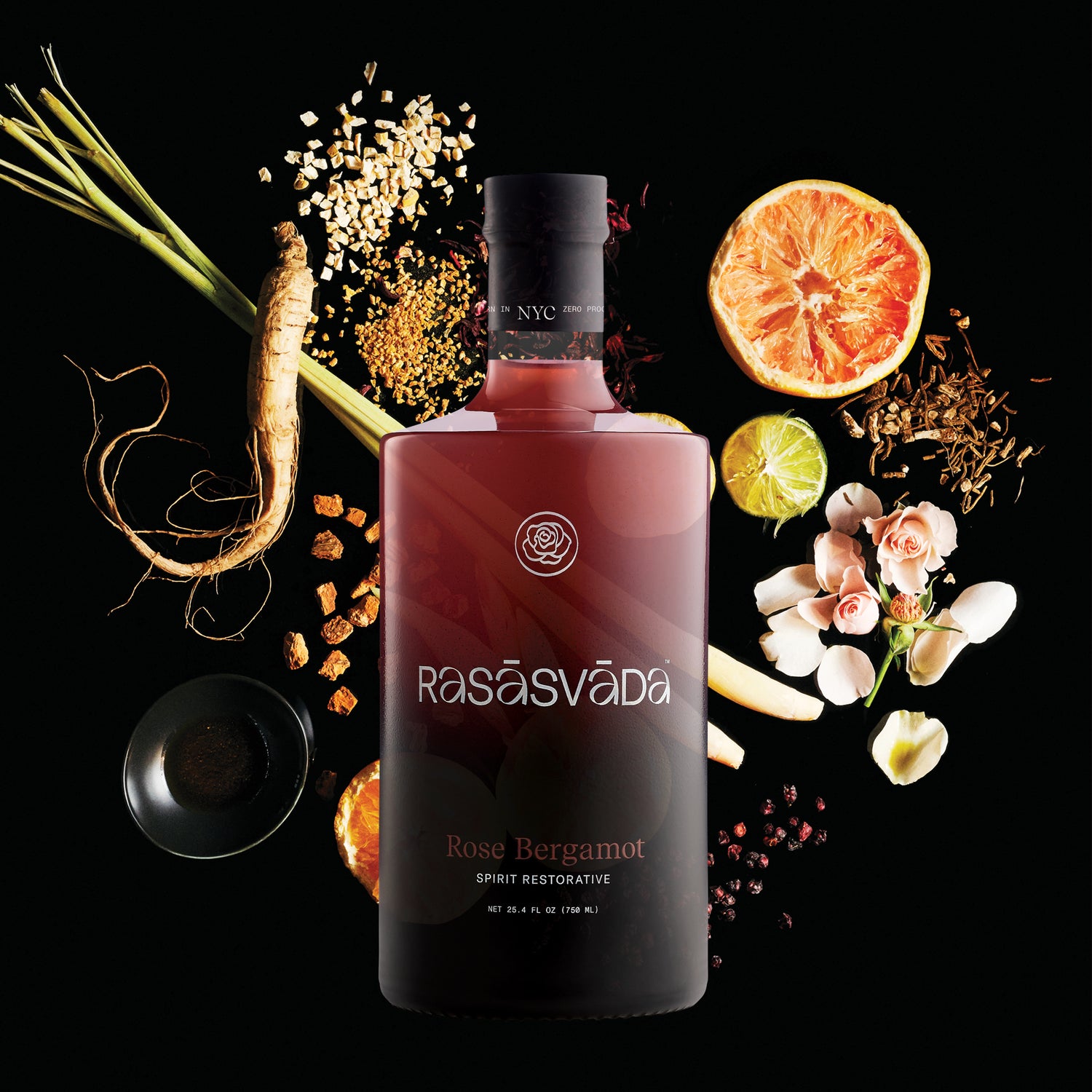
Hibiscus is one of the hero ingredients in Rose Bergamot, a functional spirit that balances over 15 beneficial botanicals to create a refreshing ritual that supports vitality, mental clarity, stress management, immune support, and energy. It's the only drink that’s rooted in ancient herbal traditions and tested by longevity scientists.
Taste: Tart, tangy, floral
How to drink: Sip it neat, mix it with sparkling water, or blend it into your daily drink—whether that’s a smoothie, wellness tonic, or cocktail.
Sourced From: Myanmar
FAQs
100% plants. 0% preservatives.
Sources
Food Science & Nutrition | Hibiscus rosa-sinensis: A multifunctional flower bridging nutrition, medicine, and molecular therapeutics
World Journal of Pharmaceutical Research | A comprehensive literature review and evaluation of the essential oil of Hibiscus rosa-sinensis
International Journal of Health Sciences | Hibiscus rosa-sinensis Linn.: A phytochemical and pharmacological review
International Journal of Pharmaceutical Sciences Review and Research | An updated review on various potential pharmacological activities of Hibiscus rosa-sinensis L.