
Made by slowly drying whole limes (not lemons) until they darken and concentrate, black lemon transforms the bright citrus fruit flavor into a more complex, slightly fermented taste. Popular in Middle Eastern cuisine, it’s also valued in traditional medicine for naturally occurring plant compounds that support digestion.
Key Takeaways
- Black lemon is made by drying whole limes until they become dark, concentrated, and aromatic. It has a tangy, slightly smoky flavor with subtle fermented notes.
- Traditionally used to support digestion and enhance flavor in meals.
- Contains antioxidants and plant compounds that support overall wellness.
- Widely used in Middle Eastern and Persian cuisine.
What is Black Lemon?
Black lemon, also known as dried lime, is made by boiling fresh limes and then sun-drying them until they become hard, dark, and intensely flavored. This process concentrates the fruit’s natural acids and sugars while creating a slightly smoky flavor profile. The interior becomes tangy and complex, while the outer skin develops a darker, almost earthy character.

The Health Benefits of Black Lemon
Black lemon offers a combination of traditional digestive support and naturally occurring plant compounds that contribute to overall wellness. While the fruit enhances dishes with bold flavor, taste-wise, it can help reduce the need for excess salt or sugar. Its ability to elevate a meal in this way makes it both a culinary and functional ingredient.
1. Supports Digestive Health
Black lemon has long been used in traditional cuisines to support digestion. Its sour, slightly bitter profile helps stimulate digestive activity, encouraging the body’s natural processes for breaking down food.
In traditional medicine, sour ingredients like black lemon are incorporated into meals to help reduce heaviness and support gut comfort.
2. Rich in Antioxidants
As a concentrated citrus product, black lemon contains antioxidant compounds that help protect the body from oxidative stress. As it’s loaded with vitamins C and D, as well as minerals like calcium and potassium, black lemon helps support immune function and overall cellular health.
3. May Support Metabolic Balance
Citrus fruits contain bioactive compounds (like hesperidin) that have been studied for their potential role in supporting metabolic health. Black lemon’s concentrated form may contribute to balanced blood sugar and lipid metabolism when included as part of a nutrient-rich diet. Additionally, there are further studies investigating hesperidin’s role in stabilizing blood sugar, as well.
4. Supports Immune Function
The natural vitamin C content and plant compounds found in black lemon can help support the immune system. Traditionally, citrus fruits have been used to help the body maintain resilience, especially during seasonal changes.
History and Traditional Uses
Black lemon has deep roots in Middle Eastern and Persian culinary traditions, where it is known as “loomi.” It’s used whole, pierced, or ground into powder and added to soups, stews, teas, and spice blends.
Traditionally, black lemon has been used to support digestion and balance rich meals. Its inclusion in everyday cooking reflects a broader approach to food as both nourishment and functional support.
Botanical Overview

Botanical Name: Citrus aurantiifolia (commonly), sometimes Citrus latifolia depending on the lime variety used
Family: Rutaceae
Common Names: Black lemon, dried lime, loomi, noomi basra
Location: Native to Southeast Asia; widely cultivated in the Middle East (especially Iran, Iraq, and the Persian Gulf region), where it is traditionally dried and used
Black Lemon in Rasāsvāda
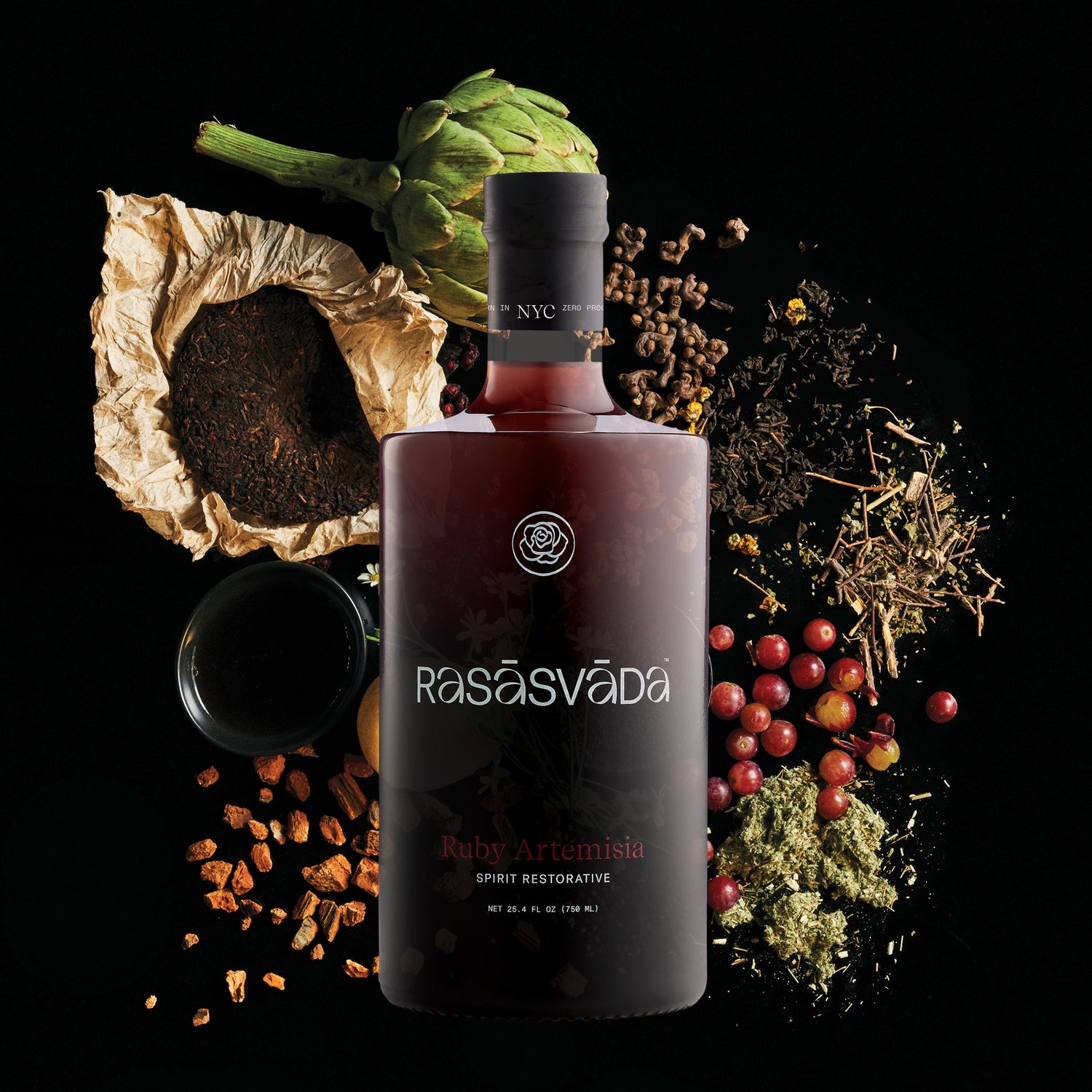
Black lemon offers a unique combination of brightness and depth, helping to round out blends with its tangy, slightly smoky profile. It complements other botanicals while contributing traditional digestive-supporting qualities. Found in Ruby Artemesia, black lemon blends easily with schisandra berry and maqui berry.
Its rich culinary history and functional potential make it a natural fit within thoughtfully crafted, plant-based formulations.
Sourced from: Guatemala
FAQs
Disclaimer
This content is for educational purposes only and is not intended as medical advice. Consult a qualified healthcare professional before starting any new herbal regimen, especially if you are pregnant, nursing, having existing medical conditions, or taking medication.
100% plants. 0% preservatives.