
Bright and aromatic, lime peel is a botanical that might go unnoticed, despite holding much of the fruit’s therapeutic potential. While lime juice is common in cooking and cocktails, the peel of the lime is the under-celebrated hero, containing a concentrated reserve of essential oils, flavonoids, and antioxidants that have been valued for centuries in traditional medicine systems worldwide.
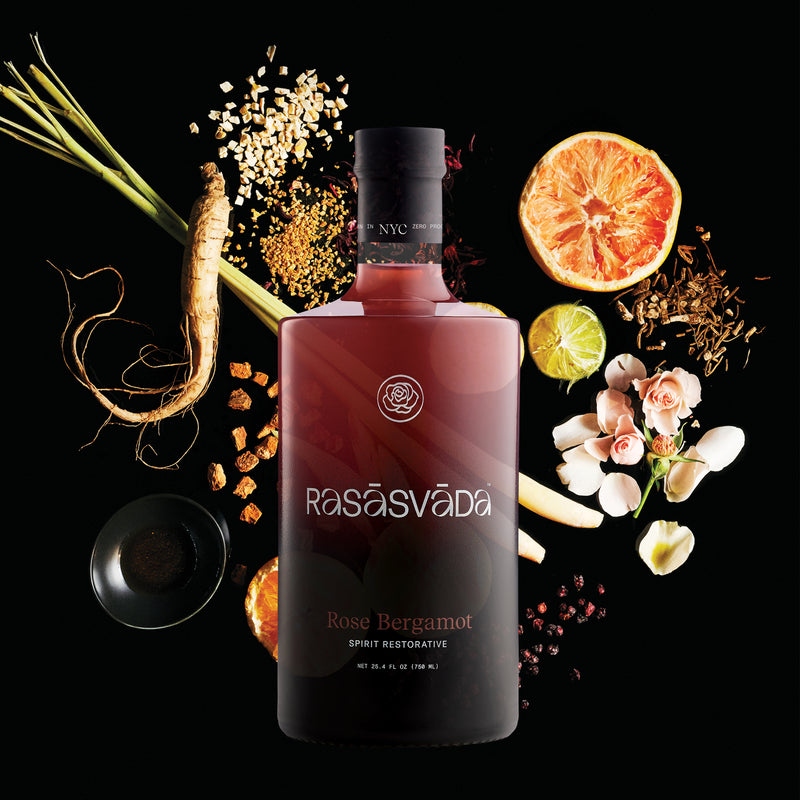
In Rasāsvāda’s Rose Bergamot, lime peel contributes both functional benefits and an uplifting citrus brightness, enhancing the blend’s digestive, metabolic, and aromatic profile.
Key Takeaways
- Lime peel is rich in antioxidants, essential oils, and bioflavonoids that support digestion, immunity, and metabolic health.
- Native to Southeast Asia, lime has traditionally been used to stimulate digestion and energy, and its aroma is said to uplift mood.
- The peel contains more concentrated beneficial compounds than the juice alone.
- In Rasāsvāda, lime peel adds brightness, balance, and gentle detoxifying support.
What is Lime Peel?
Lime peel refers to the outer rind of the lime fruit (Citrus aurantiifolia or Citrus latifolia), including the colorful zest and the thin layer beneath it. This portion of the fruit is especially rich in aromatic essential oils, including limonene, citral, and linalool, as well as polyphenols and flavonoids.
Unlike the tart juice, lime peel has a more complex flavor profile—bright, slightly bitter, and intensely aromatic. When dried or gently extracted, it becomes a powerful botanical ingredient used in teas, tinctures, culinary preparations, and herbal formulas. In the West, lime peel is most used as a garnish on both non-alcoholic and alcoholic cocktails.

The Health Benefits of Lime Peel
Fennel has been valued for centuries not only for its flavor but also for its supportive effects on digestion and overall wellness.
1. Digestive Support
Lime peel has long been used in traditional medicine to stimulate digestion and support healthy gut function, helping to process food more efficiently and ease bloating or heaviness after meals. Citrus peels are also used to move the digestive system due to their high fiber content.
2. Antioxidant & Anti-Inflammatory Support
The peel contains high levels of antioxidants and flavonoids which help protect cells from stress and aging. These antioxidants play a role in reducing chronic inflammation and supporting long-term metabolic and cardiovascular health.
3. Metabolic & Cardiovascular Health
Research suggests that citrus peel compounds may support healthy cholesterol levels and glucose metabolism. Lime peel’s polyphenols are studied for their potential role in lipid regulation and vascular protection, making it a gentle ally for metabolic balance.
4. Immune System Support
Lime peel provides vitamin C alongside immune-supportive flavonoids and antimicrobial essential oils. Traditionally, citrus fruits as a whole have been used to help fortify the body during seasonal transitions or periods of immune stress.
5. Mood & Nervous System Support
The bright aroma of lime peel has uplifting, clarifying properties. In aromatherapy, citrus is associated with improved mood, reduced mental fatigue, and a sense of lightness. One animal study suggests lime peel compounds may support improved sleep quality, though more research (especially on humans) is needed.
History and Traditional Uses
Across Mediterranean, Middle Eastern, Asian, and Latin American traditions, citrus peels have been prized as medicine rather than waste. In Traditional Chinese Medicine, dried citrus peels are used to regulate qi, support digestion, and reduce dampness. In Ayurveda, lime peel has been employed to kindle digestive fire, freshen breath, and uplift the spirit.
Botanical Overview

- Botanical Name: Citrus aurantiifolia (Key lime), Citrus latifolia (Persian lime)
- Family: Rutaceae
- Common Names: Lime, Lime peel, Lime zest
Where It’s Found: Native to Southeast Asia; widely cultivated in tropical and subtropical regions worldwide.
Lime Peel in Rasāsvāda
- Lime peel brings brightness, lift, and balance to Rose Bergamot.
- Supports digestion, metabolic flow, and gentle detoxification in the blend.
- Sourced From: Spain
Free Rasāsvāda Recipe Cards With Every Order
$25 $0
This elegant limited-edition series of Rasa recipe cards will empower you to craft some of the tastiest and most beautiful cocktails you've ever experienced.
Lime Peel in Rasāsvāda
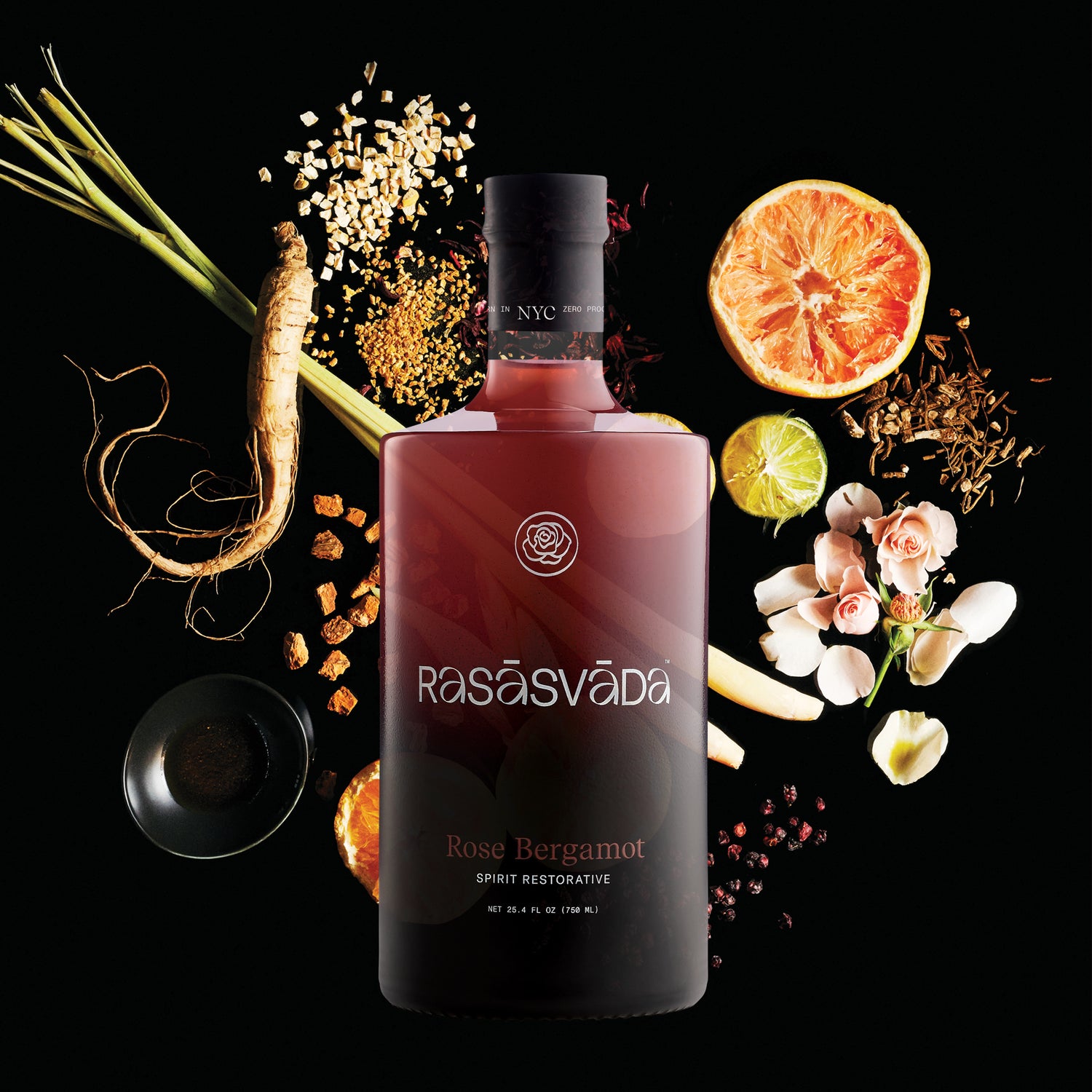
Lime peel brings brightness, lift, and balance to Rose Bergamot. Its aromatic citrus notes enhance the softness of rose and the complex bitterness of bergamot, creating a layered sensory experience that feels both refreshing and grounding. Functionally, lime peel supports digestion, metabolic flow, and gentle detoxification in the blend.
- Flavor Profile: Bright, citrusy, lightly bitter, and aromatic
- Sourced From: Spain
FAQs
Disclaimer
This content is for educational purposes only and is not intended as medical advice. Consult a qualified healthcare professional before starting any new herbal regimen, especially if you are pregnant, nursing, having existing medical conditions, or taking medication.
100% plants. 0% preservatives.