
Quince (Cydonia oblonga) is a pome fruit (a fruit with a central seed-containing core, like an apple or pear) with a fragrant aroma. With its rich history across the Mediterranean and Asia, the quince fruit has a unique presence in both culinary tradition and herbal wellness.
Although less familiar to modern palates than its close relatives, quinces have long been cherished for their bright scent, versatile flavor when cooked, and a range of traditional health applications. Quince is featured in our Rose Bergamot, where its complex profile adds depth, warmth, and botanical richness.
Key Takeaways
- Quince is a fragrant, tart-to-bitter tasting fruit best enjoyed cooked and widely used in jams, syrups, and teas.
- Rich in antioxidants and fiber, it supports digestive health and immune resilience.
- Traditionally used in herbal systems to soothe digestion, protect mucous membranes, and support overall wellness.

What is Quince?
Quince (Cydonia oblonga) is a fruit in the Rosaceae family, the same large plant family that includes apples and pears. It produces a large, ovoid fruit with a golden hue and intense fragrance when ripe. Wild and cultivated quinces have a firm, astringent texture that becomes soft and aromatic when cooked.
Unlike apples or pears, quinces are almost always eaten cooked or processed because raw, they are high in tannins, tart, and hard in texture. They have historically been simmered into jams, poached with spices, or baked into desserts, where their rich aromatic compounds shine. Interestingly, some studies suggest that cooking quince can increase the bioavailability of certain antioxidant compounds compared to eating it raw.
Though under-appreciated in modern grocery aisles, quince has been valued for centuries as both food and medicine — offering antioxidants, fiber, and a sensory experience that bridges ritual and nourishment.
Health Benefits of Quince
1. Antioxidant & Anti-Inflammatory Support
Quinces are rich in antioxidants, including flavonoids and phenolic compounds, which help protect cells from oxidative damage and reduce inflammation in the body. These compounds may support metabolic health and reduce inflammatory stress over time.
2. Digestive Health
Quince contains both soluble and insoluble fiber, including pectin, which supports regular bowel movements, promotes healthy gut bacteria, and may help soothe digestive discomfort like bloating or indigestion.
A study in rats with colitis suggests quince extracts may protect the intestinal lining and support balanced gut function, although human research is still limited.
3. Immune System Support
Quince provides vitamin C — a well-known essential nutrient for immune function — and its antioxidant profile helps support the body’s natural defense systems.
4. Heart & Metabolic Support
Researchers suggest that the nutrients found in quince may help manage cholesterol levels and support cardiovascular health as part of a balanced diet, while its soluble fiber contributes to a moderate impact on blood sugar levels. However, this association may come from the larger studies on those components, not necessarily attributed to the quince directly.
In one animal study, scientists concluded that quince has cardiovascular preventive properties, stating that “it regulates blood lipids, lowers blood pressure and glucose levels, and protects the liver and kidneys.”
5. Respiratory & Soothing Traditions
Historically, quince teas and syrups have been used as soothing agents for sore throats and coughs. In more recent years, a study on mice with asthmatic respiratory issues found a positive response to quince coupled with other medicinal plants; however, more research – especially on humans – is needed to confirm specific effects.
History & Traditional Uses
Quince has a long cultural and symbolic history: Ancient Greeks and Romans associated quince with love, fertility, and marriage; Greek mythology even links it to Aphrodite as a sacred fruit.
In various traditional medicine systems of the Middle East, Asia, and Europe, quince has been used as a digestive tonic, an anti-inflammatory agent, and a soothing food for upset stomachs. Its high pectin content made it useful for forming jams, marmalades, and syrups that were consumed as both nourishment and medicine. Folkloric uses also include preparing quince tea or decoctions to support digestive comfort and respiratory wellness.
In some Asian traditions, related quince species were used as remedies for coughs, colds, gastric discomfort, and sore throats, demonstrating a broad ethnobotanical role dating back hundreds of years.
According to Greek legend, the quince is sometimes cited as the ‘golden apple’ that sparked the Trojan War.
Botanical Overview

- Botanical Name: Cydonia oblonga
- Family: Rosaceae
- Common Names: Quince, Golden Apple (in some traditions)
- Part Used: Fruit (flesh and peel), seeds (used traditionally for poultices or teas)
- Where It’s Found: Native to the mountainous regions of the Middle East, Mediterranean, and Central Asia; widely cultivated in Europe and Southwest Asia. As of 2023, the largest global producer is Turkey (supplying 25% of the global production), followed by China, Iran, Argentina, and Morocco.
Quince in Rasāsvāda
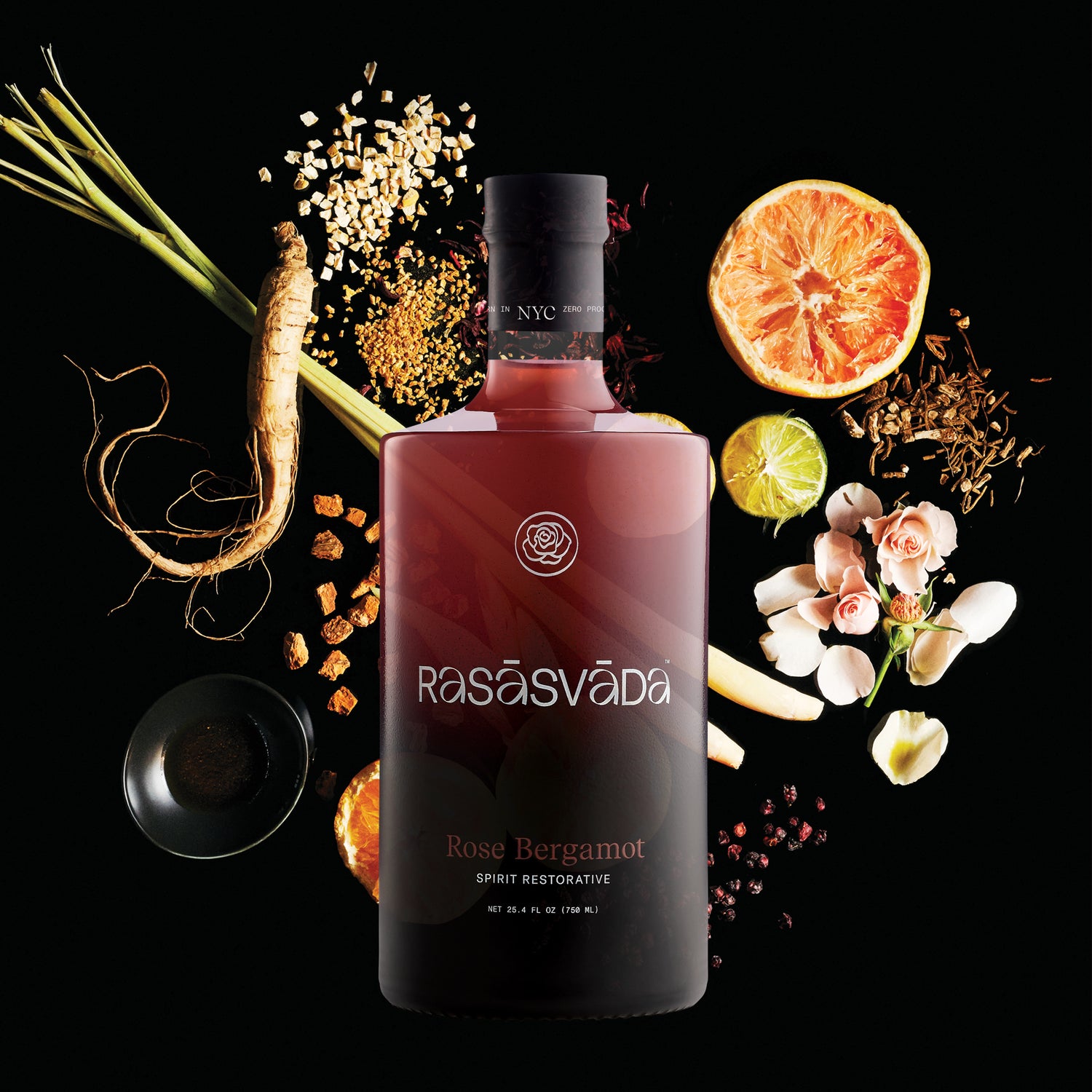
In Rose Bergamot, quince contributes a layer of fragrant warmth and botanical complexity that complements the citrus and floral notes of bergamot. Its aromatic depth enriches the sensory profile of the tonic, while its functional properties align with Rasāsvāda’s holistic approach to wellness — encouraging balance and mindfulness.
Taste: Quince has a bold, tart, and aromatic character that mellows and sweetens when cooked — often floral and honey-like with hints of spice. Its high pectin content gives cooked quince a lush texture perfect for jams, syrups, teas, and stewed preparations.
Sourced from: Chile
FAQs
100% plants. 0% preservatives.
Sources
Chaenomeles speciosa: A review of chemistry and pharmacology - PMC
Dietary Supplements for Immune Function and Infectious Diseases - Health Professional Fact Sheet
Medicinal plants contain mucilage used in traditional Persian medicine (TPM)
Quince | White Rabbit Institute of Healing
[The] quince: The fruit that started the Trojan War? | The Splendid Table
Vitamin C and Immune Function - PMC
What are the Benefits of Quince? What is Quince Good For? | Anadolu Sağlık Merkezi