
Roman chamomile has been cherished for centuries as a botanical that promotes relaxation, digestion, and overall wellness. Best known for its soothing aroma and delicate daisy-like flowers, this herb has long been used in teas, tinctures, and herbal preparations designed to calm both body and mind.
While often associated with bedtime rituals and calming teas, Roman chamomile offers far more than comfort alone. Rich in aromatic compounds and traditional herbal applications, it has been valued for supporting digestion, easing tension, and promoting balance throughout the body.
In this guide, we’ll explore what Turkish rhubarb is, its health benefits, and why it continues to be an important botanical in both traditional and modern herbal practices.
Key Takeaways
- Roman chamomile is a calming herb traditionally used to support relaxation and digestion in teas, tinctures, aromatherapy, and herbal preparations.
- It contains aromatic compounds with soothing and antioxidant properties.
- Roman chamomile differs from German chamomile in both chemistry and growth habit.
- Its gentle floral profile makes it a popular ingredient in wellness-focused botanical blends.
What is Roman Chamomile?
Roman chamomile is a flowering herb in the daisy family known for its small white flowers and sweet, apple-like aroma. Scientifically known as Chamaemelum nobile, it has been used for centuries in European herbal traditions for its calming and digestive-supporting qualities.
Although often grouped together with German chamomile, Roman chamomile is a distinct species with its own unique chemical profile and traditional uses. Roman chamomile is generally considered gentler and more aromatic, with a softer floral bitterness and a stronger emphasis on relaxation and digestive comfort.
The flowers are most commonly dried and used in teas, extracts, essential oils, and botanical blends.

The Health Benefits of Roman Chamomile
Roman chamomile has long been valued as a soothing herb that supports both physical and emotional balance.
1. Promotes Relaxation & Calm
Roman chamomile is best known for its calming properties, particularly the phytochemical apigenin which can help relaxation. Traditionally used to ease tension, it’s commonly included in bedtime teas and soothing herbal rituals that support rest, mindfulness, and nervous system balance.
2. Supports Digestive Function
Roman chamomile has traditionally been used to soothe the digestive tract and support healthy digestion. Herbalists have long turned to chamomile for occasional digestive discomfort, and a study supports that it is especially helpful in dispelling gas, soothing the stomach, and relaxing the muscles that move food through the intestines.
In tandem with digestive support, chamomile is being studied for anti-diabetic properties, as well as metabolicsyndrome.
3. Contains Antioxidant Compounds
Roman chamomile contains phytochemicals and other antioxidant-rich plant compounds that help protect the body from oxidative stress and support overall cellular health. Emerging research also suggests Roman chamomile may be anti-inflammatory; chamomile extracts were shown to reduce markers of inflammation [in skin and mucus membranes] while helping protect healthy tissue function.
4. May Support Healthy Aging & Longevity
Roman chamomile has long been valued in traditional herbal practices for its calming and restorative qualities, and research suggests its benefits may extend to healthy aging and longevity. As stated above, chamomile is rich in antioxidant and anti-inflammatory compounds, which play important roles in overall vitality and healthy aging by helping the body better manage everyday stress and maintain internal balance.
5. Supports Menstrual Health
Roman chamomile has been studied for its potential role in supporting menstrual health, particularly in relation to PMS symptoms and primary dysmenorrhea. This research has found that chamomile may help reduce symptoms associated with premenstrual syndrome, including discomfort, cramps, and mood-related changes. Studies suggest it may also be effective in easing menstrual pain and helping reduce excessive menstrual bleeding in cases of primary dysmenorrhea. Together, these findings point to chamomile’s traditional use as a gentle, supportive botanical for menstrual comfort and cycle-related balance.
History and Traditional Uses
Roman chamomile has been used since ancient times across Europe and parts of the Mediterranean region. It was valued by the Egyptians, Greeks, and Romans for its calming and restorative qualities. In traditional European herbalism, chamomile was often used to support digestion, calm the nerves, and promote restful sleep.
The word “chamomile” comes the Greek words, Chemos and Melos, meaning “ground apple” due to its apple-like smell. Romans used the plant for both ceremonial and medicinal purposes. Over time, Roman chamomile became a staple in teas, tinctures, and aromatic preparations throughout Europe.
Today, it remains one of the most widely used herbs for relaxation and digestive comfort, and a very popular tea drank at bedtime for its relaxation effects and gentle taste.
Botanical Overview

Roman chamomile, or Chamaemelum nobile, belongs to the Asteraceae family, which also includes daisies and calendula.
Unlike the taller annual German chamomile, Roman chamomile is a low-growing perennial with feathery leaves and fragrant white flowers. The plant thrives in sunny climates and well-drained soil, often spreading like a ground cover.
The flower heads are harvested and dried for use in teas, extracts, and essential oils. Roman chamomile essential oil is especially prized in aromatherapy for its calming scent.
Botanical Information
- Botanical Name: Chamaemelum nobile
- Family: Asteraceae
- Common Names: Roman chamomile, English chamomile, garden chamomile, Anthemis nobilis, camomile, garden camomile, ground apple, low camomile, or whig plant.
- Location: Native to Western Europe and the Mediterranean region; cultivated worldwide in temperate climates
Roman Chamomile in Rasāsvāda
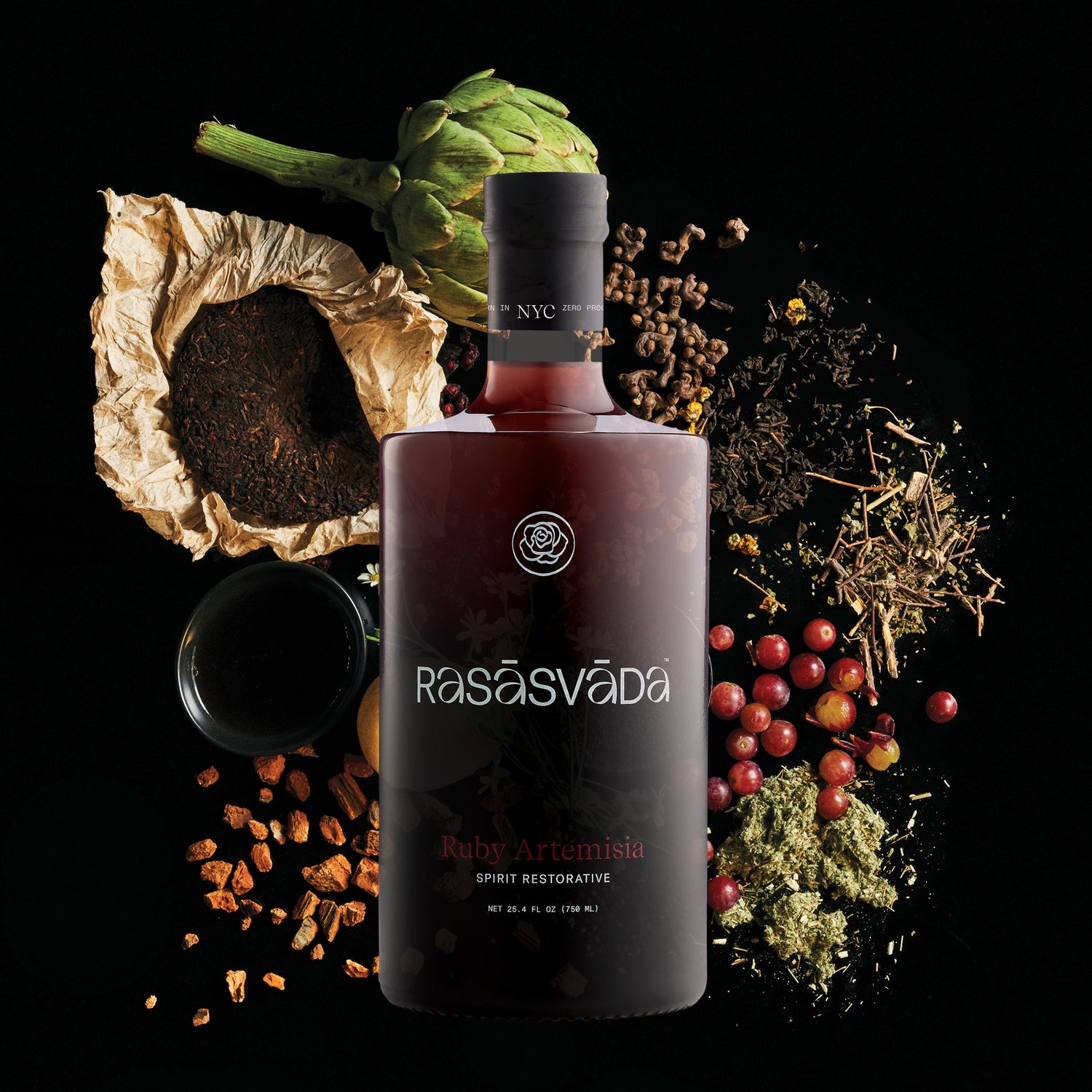
Roman chamomile contributes a soft floral note that helps balance deeper herbal flavors within Ruby Artemisia. Its long history of use in digestive and relaxation-focused traditions makes it a meaningful addition to our plant-based wellness rituals.
Sourced from: Vermont
FAQs
Disclaimer
This content is for educational purposes only and is not intended as medical advice. Consult a qualified healthcare professional before starting any new herbal regimen, especially if you are pregnant, nursing, having existing medical conditions, or taking medication.
100% plants. 0% preservatives.
Sources
The bitter Asteraceae: An interesting approach to delay the metabolic syndrome progression
Chamomile: A herbal medicine of the past with bright future - PMC
A Comprehensive Study of Therapeutic Applications of Chamomile - PMC
Efficacy of Chamomile in the Treatment of Premenstrual Syndrome: A Systematic Review - PMC
German Chamomile vs Roman Chamomile: Similarities & Differences | Starwest Botanicals
Health Promoting Benefits of Chamomile in the Elderly Population - ScienceDirect
Traditional medicine for aging-related disorders: Implications for drug discovery - ScienceDirect