
Earthy and aromatic, sarsaparilla root has long been used as a medicinal botanical and flavoring agent. Once prized in traditional healing systems across the Americas and Europe, sarsaparilla is perhaps best known today for its role in classic root beer.
Derived from several species of the Smilax genus, sarsaparilla root has been used for centuries to support detoxification, hormonal balance, and overall vitality. In Rasāsvāda, it’s valued not only for its grounding, bittersweet flavorbut also for its beneficial phytochemicals, which have been shown to have anti-inflammatory, antimicrobial, and skin- and joint-supporting properties.
Key Takeaways
- Sarsaparilla root is a traditional tonic herb used to support detoxification, hormonal balance, and vitality and is known for its deep, earthly flavor.
- Rich in plant compounds like saponins and flavonoids, it has a long history in herbal medicine systems worldwide.
- In Rasāsvāda, sarsaparilla contributes grounding energy, digestive support, and layered botanical complexity.
What is Sarsaparilla Root?
Sarsaparilla refers to the dried root of plants in the Smilax genus, most commonly Smilax officinalis, Smilax regelii, and Smilax aristolochiifolia. These climbing, woody vines are native to Central and South America, the Caribbean, and parts of Asia.
Sarsaparilla has a naturally warming, aromatic quality and has long been classified as a tonic—an herb used to gently support the body over time rather than immediately. The medicinal portion is the root, which is harvested, dried, and prepared as decoctions, syrups, or extracts.

The Health Benefits of Sarsaparilla Root
1. Detoxification & Liver Support
Historically, sarsaparilla has been used as a “blood purifier,” a traditional term referring to herbs that support the body’s natural detoxification pathways. Modern research supports this, as saponins – which sarsaparilla is rich in – may help support liver and kidney function, aiding the body in metabolizing fats.
2. Hormonal & Metabolic Balance
Sarsaparilla contains plant sterols and while not a hormone itself, it has traditionally been used to support reproductive health and overall endocrine balance in both men and women. More research is needed to discover the efficacy in this area.
3. Antioxidant & Antimicrobial Support
Traditionally, sarsaparilla was used to support joint comfort, skin health, and inflammatory conditions, especially when the body was under long-term stress or burden. The root is rich in flavonoids and other antioxidant compounds which may help protect cells from oxidative stress, including UV exposure on the skin and liver complications.
4. Digestive & Gut Support
As a gently bitter, aromatic root, sarsaparilla supports digestion by stimulating digestive secretions and helping the body better process rich or heavy foods. Its traditional use as a digestive tonic made it a popular addition to bitters and warming herbal formulas. Additionally, a recent study in mice indicates that sarsaparilla might be beneficial in alleviating gut inflammation.
5. Vitality & Tonic Use
Rather than acting as a stimulant, sarsaparilla is considered restorative and grounding. Herbal traditions describe it as strengthening over time—supporting energy, resilience, and recovery, especially during periods of depletion or transition.
History and Traditional Uses
Sarsaparilla has deep roots in Indigenous healing traditions of Central and South America, where it was used to support vitality, skin health, and detoxification. Spanish explorers later introduced it to Europe in the 16th century, where it gained popularity as a medicinal tonic and was widely used in apothecaries.
By the 19th century, sarsaparilla became a staple in Western herbalism and early pharmaceutical preparations. It was famously incorporated into tonic syrups and beverages, eventually becoming a defining flavor in traditional root beer, long before modern soft drinks replaced herbal formulations.
Botanical Overview

- Botanical Name: Smilax species
- Family: Smilacaceae
- Common Names: Sarsaparilla, Jamaican sarsaparilla, Mexican sarsaparilla
- Location: Central & South America, Caribbean, parts of Asia
Sarsaparilla Root in Rasāsvāda
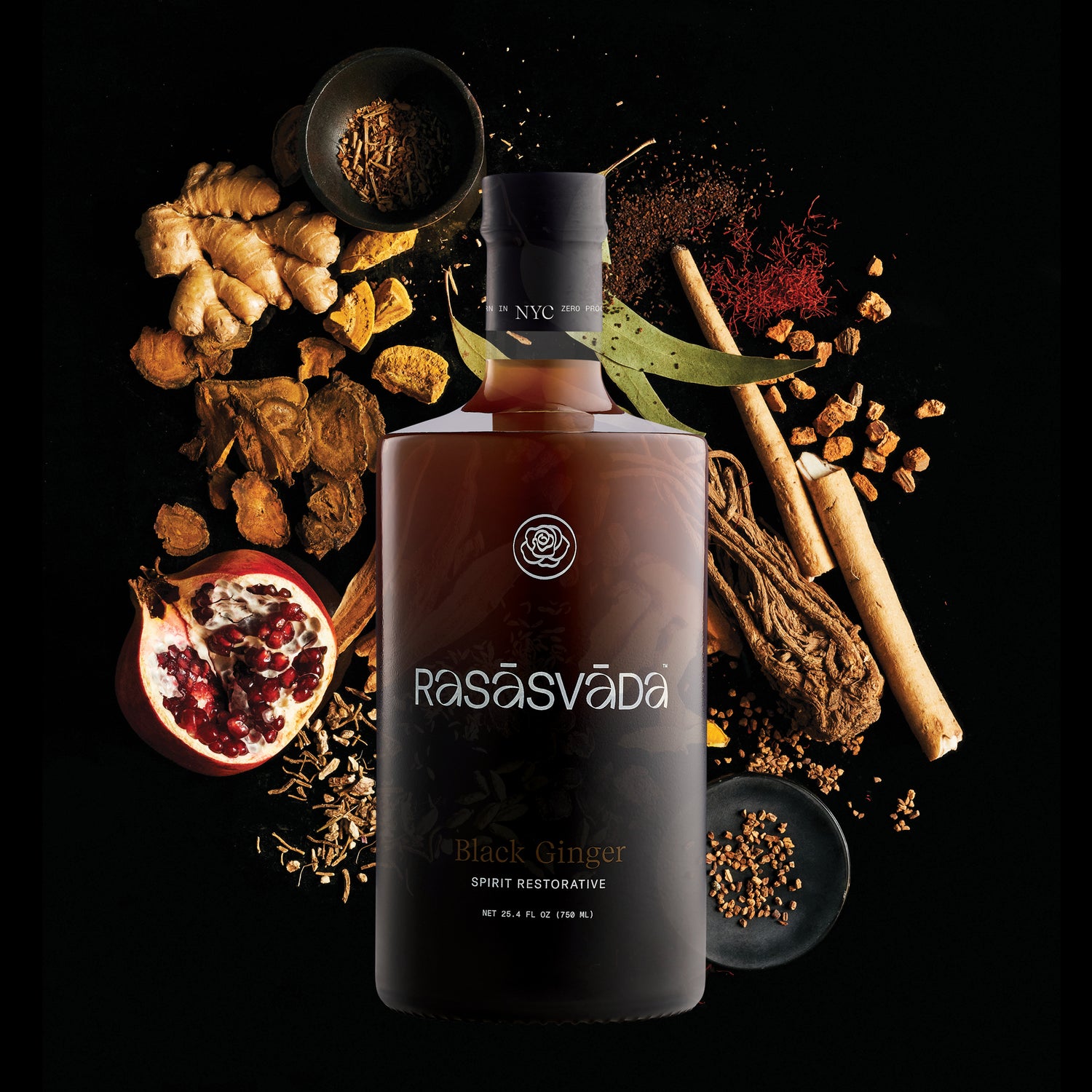
In Rasāsvāda, sarsaparilla root is used for its depth, warmth, and balance, supporting digestion, detoxification, and long-term vitality. Featured in Black Ginger, sarsaparilla helps anchor more aromatic or bitter notes, creating a harmonious blend that feels both nourishing and steady.
Flavor Profile: Earthy, slightly sweet, woody, and gently bitter; reminiscent of traditional root beer
Sourced from: India
FAQs
Disclaimer
This content is for educational purposes only and is not intended as medical advice. Consult a qualified healthcare professional before starting any new herbal regimen, especially if you are pregnant, nursing, having existing medical conditions, or taking medication.
100% plants. 0% preservatives.
Sources
Effects of Saponins on Lipid Metabolism: The Gut–Liver Axis Plays a Key Role - PMC
Exploring Sarsaparilla's History and Role in Pop Culture
Foods Indigenous to the Western Hemisphere: Sarsparilla
Medicinal Uses of Sarsaparilla
Phenolic Compounds in Genus Smilax (Sarsaparilla) | IntechOpen
Plant of the Month: Sarsaparilla - JSTOR Daily
Sarsaparilla's therapeutic uses | Complementary and Alternative Medicine | Research Starters