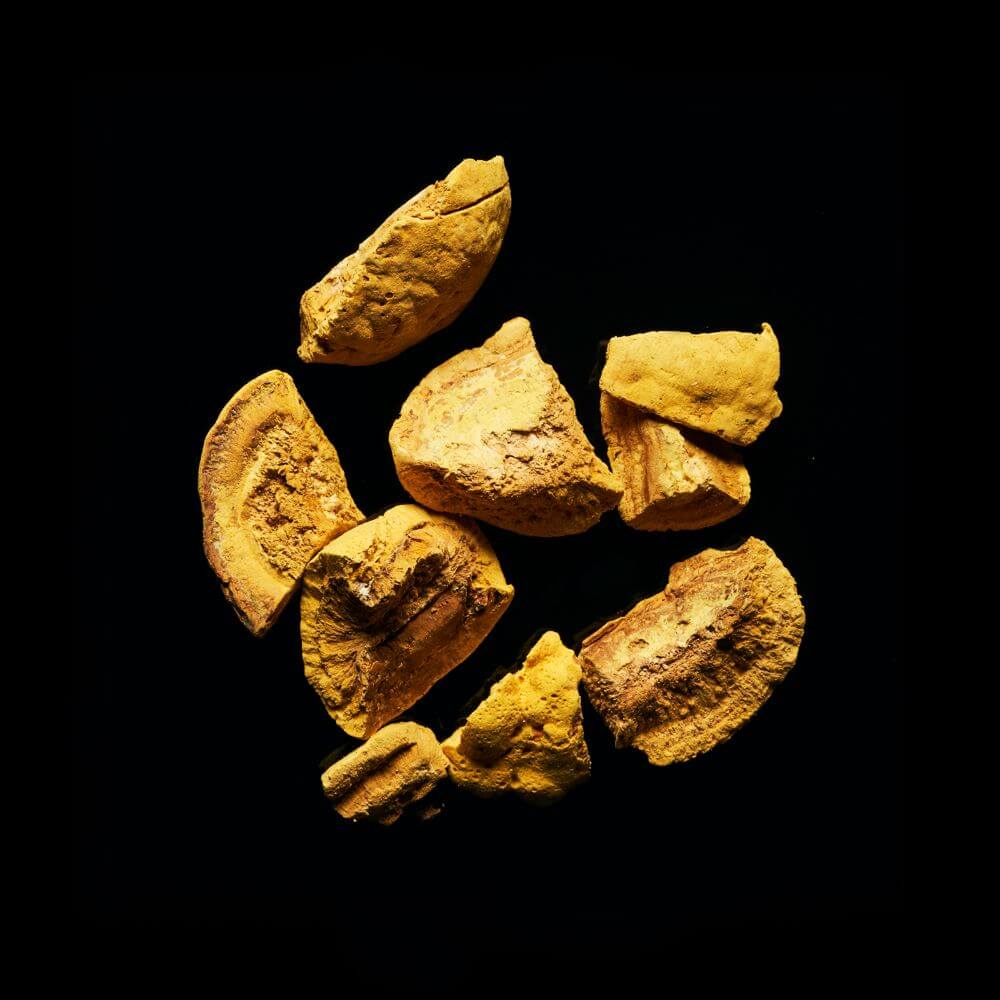
Functional mushrooms—not to be confused with psychedelic mushrooms or even culinary mushrooms—contain a unique array of compounds that make them especially poised to support human health.
These special fungi have been used for thousands of years in traditional medicine and are just now having a moment in modern wellness rituals, popping up in coffees, drink powders, and supplements.
Rasāsvāda’s Black Ginger features mesima and reishi mushroom, two time-honored fungi that are backed by traditional medicine and modern research.
Here we’ll discuss the basics of functional mushrooms, specifically exploring the benefits of mesima and reishi and the best way to reap the benefits.
Key Takeaways
- Functional mushrooms (also called medicinal mushrooms) contain compounds that support specific health benefits.
- In traditional medicine mushrooms have been used to support energy, vitality, longevity, liver health, kidney health, immune health and more.
- Today, scientists are researching medicinal mushrooms like reishi and mesima species for their use in cancer treatments, diabetes, stress, heart health, and immune health.
- Functional mushrooms can be consumed as powders, in drinks, or supplements. Their benefits are felt with consistent use over the period of weeks to months.
- Medicinal mushrooms are safe for most people but can interact with prescription medications or certain health conditions.
What are Functional Mushrooms?
While the mushrooms you might add to your stir-fry or tomato sauce certainly have health benefits, functional mushrooms are used specifically for medicinal purposes. Like their culinary counterparts, functional mushrooms contain an array of important nutrients like fiber and vitamin A, but they also contain highly concentrated amounts of proteins, polysaccharides, triterpenes, and enzymes, compounds that lend themselves to human health.
Functional mushrooms can be cultivated or wild. Out of 12,000 mushroom species, 650 are known to have medicinal value.
Common functional mushrooms:
- Reishi
- Mesima
- Lion’s Mane
- Cordyceps
- Turkey Tail
- Chaga
The use of mushrooms for medicinal purposes dates back thousands of years to some of the most ancient forms of traditional medicine. Researchers today agree that functional mushrooms show a lot of promising health benefits—from supporting everyday wellness to preventing disease.
Benefits of functional mushrooms:
- Vitality
- Immune health
- Stress
- Metabolism
- Liver health
- Heart health
- Energy

How Do Functional Mushrooms Work in The Body?
How functional mushrooms work will depend on the species, but in general, medicinal mushrooms contain some variety of beneficial compounds such as: beta-glucans, triterpenes, and antioxidants.
Antioxidants: Work by protecting the body from oxidative stress (AKA free radical damage). Free radicals can damage cells and DNA which can lead to aging and certain diseases. Some free radical damage is normal but antioxidants play a protective role, helping to keep harmful compounds in check.
Glucans: Glucans are a type of carbohydrate, long chains of sugars, that play different roles in the body. Researchers have found that glucans can interact with immune cells, potentially bolstering or suppressing the immune system. Because of this function, glucans may have the ability to defend against certain diseases.
Terpenes: Terpenes are types of organic compounds that are found in large quantities in mushrooms but are common in all types of plants. The specific types of terpenes found in mushrooms have properties that scientists believe make them potentially useful for treating diseases like diabetes and cancer.
What Is Reishi Mushroom Good For?
Reishi is used in traditional medicine to treat insomnia, hypertension, liver disease, heart disease, and for general well-being and longevity. Its use dates all the way back to 221-206 BC, when it was known as “a miraculous king of herbs” by the Chinese people.
This 10,000-year-old mushroom has piqued the interest of scientists. Here are some of the benefits that are currently being researched:
Heart Health: Reishi contains polysaccharides and a compound called α-tocopherol, which, according to several studies, contributes to mitochondrial health and healthy cholesterol and blood pressure levels, key indicators of heart health.
Blood Sugar: Terpenoids and polysaccharides are two compounds found in high concentrations in reishi mushrooms and some other mushroom species. The effects of these compounds on blood sugar are well-studied but have yet to be proven to work in humans.
Immune Support: Reishi was found to help activate the immune system when faced with certain viral infections. It may have the potential to help your body recover more quickly during illness, but more research is needed.
Stress and adaptogenic properties: Reishi is often used for stress reduction, due to its claimed adaptogenic properties. One 2025 study found consuming reishi mushroom led to feelings of relaxation in healthy college-aged women. These results suggest that reishi may benefit the nervous system when taken consistently.
Energy and vitality: Reishi is often used in traditional medicine to support energy and vitality. Modern science shows mixed results, but one study on mice found that reishi increased endurance during exercise.

What Is Mesima Mushroom Good For?
Mesima mushrooms are less well-known than some other functional mushroom species, perhaps due to their rarity, but that doesn’t make them any less potent. They grow forests of China, Korea, and Japan but are often cultivated since they are hard to come by in the wild.
In traditional medicine, mesima mushrooms were used to support general health, vitality, and graceful aging. Over time, mesima’s reputation spread across Korea and China, where it was traditionally used to support immune health and women’s well-being.
Immune system health: Like many medical mushrooms, mesima mushrooms are being studied for their potential immune-supporting effects. Compounds like terpenes communicate with immune cells, potentially strengthening the body’s ability to fend off illnesses.
Anti-inflammatory: Compounds in mesima mushroom can regulate certain receptors and signals that are involved in the body's inflammatory response. This can be helpful in cases where inflammation is chronic and is harming the body instead of helping it.
Metabolic Support: Researchers speculate that mesima mushroom contains compounds that could potentially be used to treat type 2 diabetes, noting that blood sugar lowering effects have been seen in lab studies.
Liver health: Mesima may help reduce a specific type of oxidative stress that can lead to liver fibrosis. Researchers are still studying how to best harness these compounds for disease prevention.

Are Functional Mushrooms Safe to Consume Daily?
Given all of the potential benefits of consuming functional mushrooms, you may be wondering if and how you should add them to your wellness ritual.
Functional mushrooms are safe to consume daily. Like most herbs and vitamins, the benefits of mushrooms are actually optimized by consuming them on a regular basis. Most studies in humans are conducted over a 4–6 week period because it takes time for phytochemicals and other compounds to do their job.
Functional mushrooms are safe for most people, but not all. Mushrooms can interact with certain medications, like blood thinners, and certain health conditions like liver, kidney, or autoimmune conditions.
A good rule of thumb: if you’re pregnant, breastfeeding, have a health condition, or are taking prescription medications, always talk to your doctor before adding supplements to your routine.
Not All Functional Mushrooms are Created Equal
When it comes to getting the most out of your mushrooms, the quality—not just the dose—of matters more than anything. Quality can be affected by several things, from where the mushroom is grown to how it's harvested to the type of species. In general, log-grown mushrooms yield higher levels of bioactive compounds than those grown on grain mixes. Harvesting methods matter too—mushrooms should be harvested at their mature stage to optimize bioactive compounds in the final product.
Functional Mushrooms in Rasāsvāda
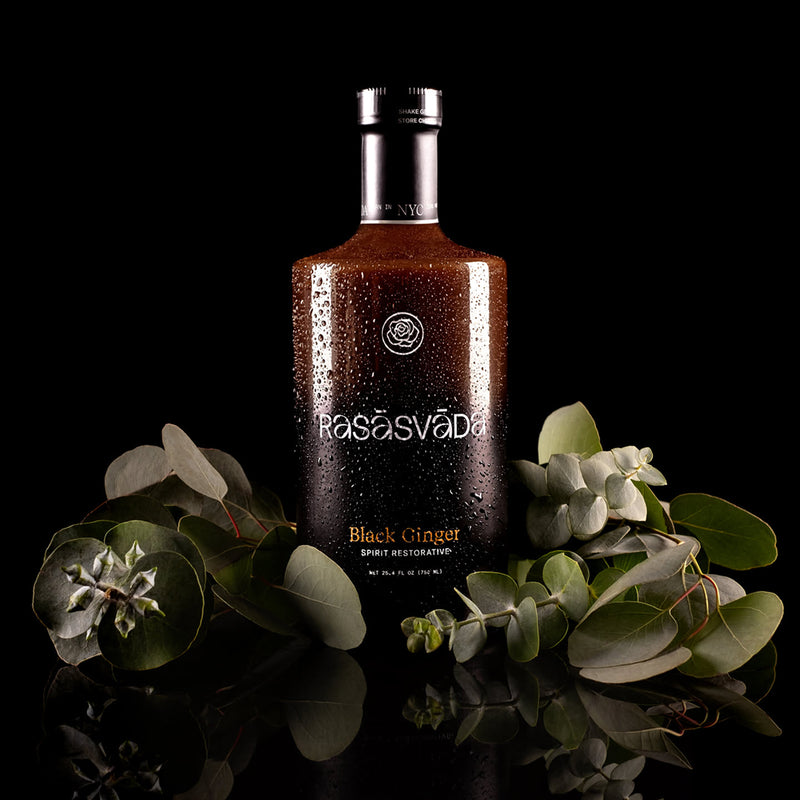
We source both log-grown reishi and mesima mushrooms. They’re processed using our proprietary decoction process, which involves slowly simmering whole mushrooms to preserve the full spectrum of beneficial compounds and flavor. They can be found in Black Ginger, a functional beverage that helps support muscle recovery, detoxification, and blood flow.
FAQs
Disclaimer
This content is for educational purposes only and is not intended as medical advice. Consult a qualified healthcare professional before starting any new herbal regimen, especially if you are pregnant, nursing, having existing medical conditions, or taking medication.
100% plants. 0% preservatives.
Sources
Foods | Mushrooms as Functional Foods: Bioactive Compounds, Nutritional Composition, and Health Benefits
Integrative Medicine | Medicinal Mushrooms: Ancient Remedies Meet Modern Science
Molecules | A Review: The Bioactivities and Pharmacological Applications of Phellinus linteus
Foods | Nutritional Profile and Health Benefits of Ganoderma lucidum “Lingzhi, Reishi, or Mannentake” as Functional Foods: Current Scenario and Future Perspectives
Frontiers in Pharmacology | Antioxidant, antibacterial, antitumor, antifungal, antiviral, anti-inflammatory, and nevro-protective activity of Ganoderma lucidum: An overview.
Human Nutrition & Metabolism | Effect of Ganoderma lucidum supplementation on biochemical and psychophysiological biomarkers in female college students: a dose-response study
Heliyon | The anti-fatigue and sleep-aiding effects vary significantly among different recipes containing Ganoderma lucidum extracts
Scientific Reports | Ganoderma lucidum promotes sleep through a gut microbiota-dependent and serotonin-involved pathway in mice
Mediterranean Journal of Nutrition and Metabolism | The Efficacy of Ganoderma lucidum in Overweight Individuals: A Randomized Placebo-controlled trial.
Open Journal of Medical Microbiology | Clinical Isolate of Candida tropicalis from a Patient in North Carolina: Identification, Whole-Genome Sequence Analysis, and Anticandidal Activity of Ganoderma lucidum