
Often called garden angelica or European angelica, Angelica archangelica is not just a medicinal herb, but a symbol of strength and restoration. In traditional Chinese Medicine and European herbalism, it’s been used as both medicine and a preventative tonic to support digestion, circulation, and resilience. With its bittersweet flavor and grounding energy, angelica bridges ancient folk wisdom and modern wellness rituals.
Its presence in traditional tonics, liqueurs, and healing formulas speaks to its role as a plant that brings balance back to the body. In Rasāsvāda, Angelica archangelica is added to support cardiovascular health, boost immunity, and promote respiratory wellness.
Key Takeaways
- Angelica archangelica is a warming digestive and circulatory tonic
- Traditionally used to ease bloating, support vitality, and calm the nervous system
- Known for its grounding, protective qualities in European folk traditions
- Distinct from dong quai (Angelica sinensis), though botanically related
- Used in Rasāsvāda for its depth, bitterness, and harmonizing effects

What is Angelica Archangelica?
Angelica archangelica is a tall, biennial herb with hollow stems, large feathery leaves, and umbrella-shaped clusters of pale green flowers. The most commonly used part of the plant is the root, though the seeds and stems have also been used historically.
In herbal traditions, angelica is valued not only for its physiological effects, but also for its ability to “warm” and strengthen the system for those who feel fatigued or run down.
Health Benefits of Angelica Archangelica
1. Digestive Support
Angelica archangelica is best known as a bitter digestive tonic. Its naturally bitter compounds help stimulate digestive enzymes and bile flow, supporting healthy digestion and easing discomfort such as bloating, gas, and sluggish digestion. Traditionally, it was taken before or after meals to help the body process rich or heavy foods.
2. Circulation & Warming Support
With its warming nature, angelica has long been used to support circulation and vitality, especially in cold or damp conditions. Herbalists and TCM practitioners often turn to angelica during seasonal transitions or periods of fatigue, when the body needs gentle stimulation and warmth.
3. Nervous System & Stress Support
The aromatic oils in angelica root are traditionally believed to calm tension and promote grounding. In folk medicine, angelica was used during times of emotional stress, grief, or exhaustion, helping the body and mind regain equilibrium. Furthermore, a lab study focused on anxiety showed that compounds in Angelica archangelica have the potential to ease nervousness.
4. Anti-Inflammatory & Antioxidant Activity
Angelica contains naturally occurring coumarins, flavonoids, and essential oils that have been studied for their antioxidant and anti-inflammatory properties. These compounds help protect cells from oxidative stress and support long-term vitality
History & Traditional Uses
Angelica archangelica has been used in European herbal medicine for over a thousand years. During the Middle Ages, it was considered one of the most important protective herbs, believed to guard against illness—especially during plague outbreaks. Monastic herbalists cultivated angelica in medicinal gardens, where it was used to support digestion, lung health, and overall vitality.
In Northern European folklore, angelica was associated with protection, strength, and divine guidance. The plant’s name is said to come from the archangel Michael, reinforcing its reputation as a guardian herb. Beyond medicine, angelica became a staple in bitters, tonics, and herbal liqueurs such as Chartreuse and Benedictine, prized for its warming and harmonizing effects.
Botanical Overview

Botanical Name: Angelica archangelica
Family: Apiaceae (carrot/parsley family)
Common Names: (English) Holy Ghost, Wild Celery, and Norwegian angelica; (Ayurvedic) Chandaa, canda, Chandaamshuka, Kathachoraa; (Sanskrit) Laghu Coraka; (Hindi) Choraka bheda, Dudhachoraa
Location/cultivation: Northern and Eastern Europe, Scandinavia, Iceland; India and China
Angelica Archangelica in Rasāsvāda
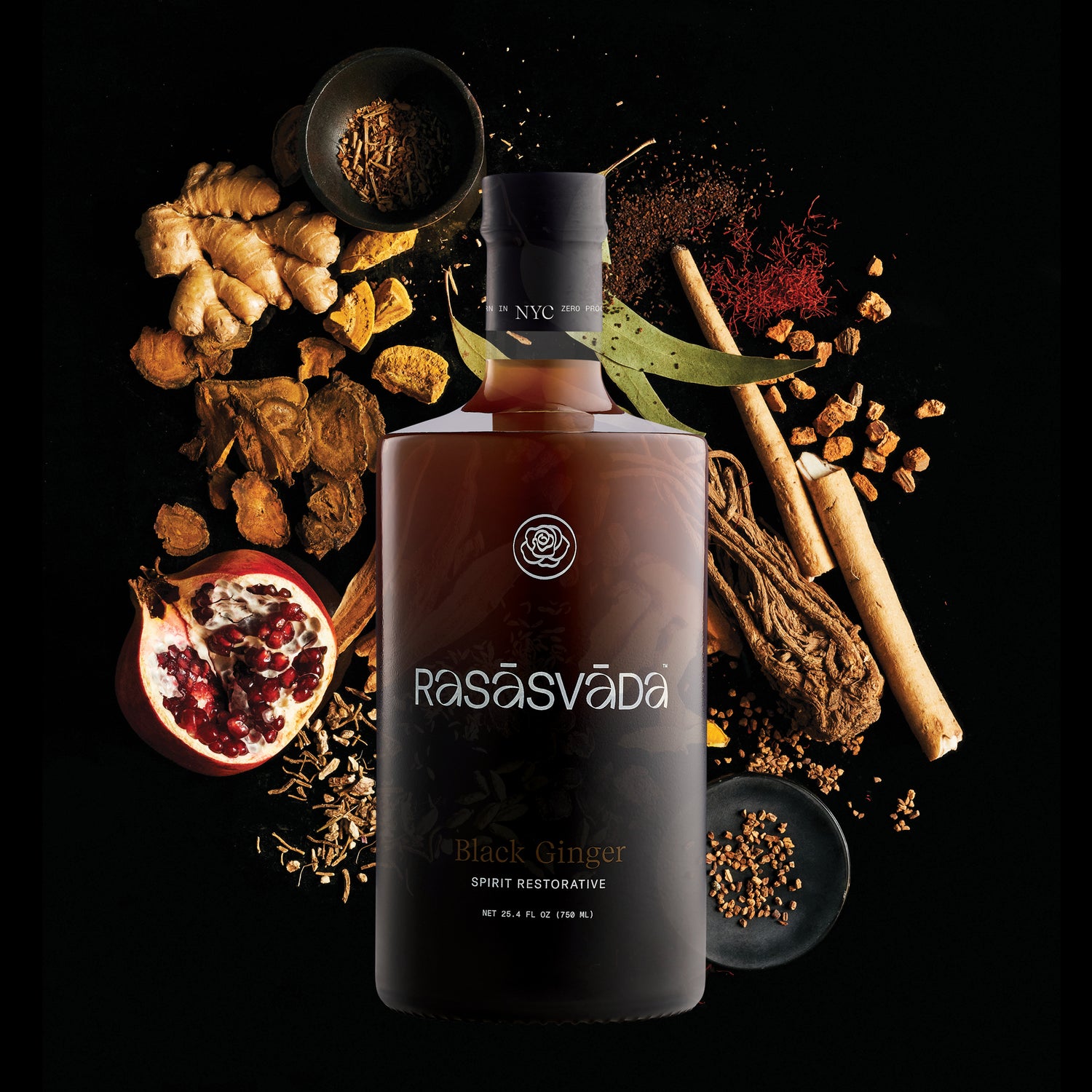
At Rasāsvāda, angelica archangelica is honored for its grounding, harmonizing nature. It appears in Black Ginger and Rose Bergamot, where it serves as an anchor to balance sweeter botanicals and enhance digestive and circulatory support.
Flavor Profile: Angelica archangelica has a bitter-sweet, earthy flavor with musky, herbal undertones and a gentle warming finish. Its aroma is complex and grounding, adding depth and structure to our botanical blends.
Sourced from: New York State, US
FAQs
100% plants. 0% preservatives.