
For many of us, our stomachs are the first place we feel emotions like stress or excitement. Butterflies, poor appetite, stomach knots —these are all symptoms that give us clues about our mental state.
In this firsthand way, we know that our brains and our digestive system communicate. But scientists are just beginning to understand the extent of this connection—that our gut health can influence everything from cognitive health to mood and even heart health.
This discovery aligns with Traditional Chinese Medicine (TCM) practices, too. In TCM, digestive issues can influence one's mental state. The spleen and stomach are at the center of mood and emotions.
With the backing of both TCM and Western science, it's clear that caring for our digestive system is an important way to tend to our overall wellness and longevity. But how do we take care of our guts and nurture this key connection between our brains and our digestive tract?
Here we’ll break down how the communication network between the brain and gut works (the gut-brain axis) and explore gut-friendly botanicals supported by both TCM and current research.
Key Takeaways
- The gut-brain axis is a complex communication system that connects the brain and the GI tract. It plays a role in mood, cognitive function, metabolism, heart health, and more.
- The health of the gut microbiome influences the gut-brain axis and therefore influences our overall health, such as mood, cognitive function, and longevity.
- Certain botanicals like ume plum, schisandra berry, pu-er tea, chicory root, and burdock root can support a healthy microbiome.
What is the Gut-Brain Axis?
The gut-brain axis is the complex bidirectional communication system that connects your brain and gut. It's how your stomach communicates hunger and fullness to your brain and how your brain communicates nervousness and stress to your stomach.
The gut-brain axis is a convoluted process that involves microbes, hormones, immune cells and neurotransmitters all working together to send signals between the GI tract and the central nervous system. Ultimately, these signals control processes such as metabolism, blood pressure, heart rate, stress response, immune response, and more.
For simplicity, the gut-brain axis can be broken down into three signaling parts.

3 Signaling Pathways of the Gut-Brain Axis
1. Enteric Nervous System and the Vagus Nerve
Within the walls of your digestive tract is a complex system of neurons (including a large nerve called the vagus nerve) that control functions like nutrient absorption, blood flow, gut immunity, and food breakdown. The enteric nervous system connects directly to the central nervous system, but works mostly independently. This semi-autonomous nature of this system is the reason it's often referred to as the “second brain.”
But even though the enteric nervous system functions mostly independently, it still communicates back and forth with our brains. When our GI tract is experiencing dysfunction, it may trigger mood or emotional changes communicated via the enteric nervous system. Similarly, issues with the enteric nervous system, like vagus nerve dysfunction (more on that below), can lead to digestive problems.
The Vagus Nerve
The vagus nerve is the longest and arguably the most important nerve in your body, acting as a communication channel for your brain, heart, and digestive tract. It's a key part of the autonomic nervous system—the system that controls functions like heart rate, breathing, and digestion, and is often referred to as the ‘rest and digest’ system.
There are different branches of the vagal nerve, and they connect with or run through your neck, chest, heart, lungs, and digestive tract. You can think of the vagus nerve much like a telephone line or conference call— communication travels back and forth along the line, but there are inputs from multiple places.
Because it plays a major role in the rest and digest system, issues with the vagus nerve can cause a variety of symptoms like digestive issues, changes in heart rate, blood pressure, or blood sugar, and dizziness or fainting.
Of course, the vagus nerve is also influenced by gut bacteria. A greater diversity of gut bacteria is linked with better vagus function.
2. Neuroendocrine System: and HPA Axis
The neuroendocrine system describes the meeting of the nervous system (electric impulses passed along neurons) and the hormones that signal body processes like stress, metabolism, and reproduction. Specialized cells called neuroendocrine cells translate these two different types of signals. Most of these cells are in your hypothalamus, pituitary gland, and adrenal glands— the three glands that work in tandem to manage your body’s stress response by releasing cortisol, a stress hormone that impacts blood sugar control, among other processes.
Dysregulation of this system, such as from chronic stress or poor gut health, can lead to chronically high cortisol levels, which are linked to health conditions such as depression and IBS.
3. Neurotransmitters
Most of us associate neurotransmitters with the brain, but a large portion of these chemical messengers, like serotonin, are produced in the gut. In the GI tract, neurotransmitters control processes like bowel function and defend the gut from toxins. But neurotransmitters also help the brain and GI tract communicate by activating nerve endings along the vagus nerve, which connects to the central nervous system.
Importantly, certain gut bacteria play a vital role in the production of neurotransmitters. This is one of the ways that the gut microbiome ultimately influences mood.
The Role of the Gut Microbiome
You’ve likely heard about the trillions of bacteria living inside your gut. These bacteria are often called probiotics, gut bacteria, or microbes, and collectively, they make up what's called your microbiome, the ecosystem of bacteria (both helpful kinds and harmful kinds) that line the surface of your small intestine.
Among the thousands of species, each one has a job to do. There are bifidobacteria, for example, which help digest dietary fiber and produce vitamins. Or Lactobacillus, which converts sugars into lactic acid, which then acts as fuel for other beneficial bacteria.
These bacteria influence nearly every part of the gut-brain axis, from neurotransmitter activity to vagus nerve function, and scientists are finding that they influence almost every aspect of your overall health, too. A healthy microbiome is associated with better digestive processes, better mood, cognitive function, and lower risk of disease.
What Makes a Healthy Microbiome?
Scientists are finding that the greater diversity of gut bacteria— not proliferation of one particular species— is associated with better overall health. This includes a stronger immune system, better mood, and even better cardiovascular health.

You can support your microbiome by:
- Eating a plant-based diet
- Eating fermented foods
- Managing stress
- Getting enough sleep
- Limiting sugar and alcohol
- Exercising regularly
Botanicals that Support a Healthy Microbiome

Pu-erh Tea
Pu-erh is a type of fermented green tea known in TCM to support detoxification and inflammation, but today’s research suggests it can also support our gut.
In addition to the beneficial polyphenols and tannins in green tea, the fermentation process of pu-erh generates a plethora of beneficial bacteria that can take up residence in your GI tract. Scientists have found that because pu-erh encourages the growth of good bacteria, it may be especially helpful for those who may have an imbalance of good and bad gut bacteria— a side effect of stress, poor diet, aging, or genetics.
Researchers are also finding that pu-erh tea increases the production of a type of prebiotic called short-chain fatty acids (SCFAs). These feed the bacteria in your gut and are just as important as probiotics when it comes to gut health.

Ume Plum
Ume plum, a small sour fruit native to East Asia, contains polyphenols that may help promote the growth of beneficial gut bacteria that are associated with obesity and other diseases like IBS and Crohn’s Disease. So far, research has only been conducted in mouse studies, and scientists are still working on extrapolating these benefits to humans.
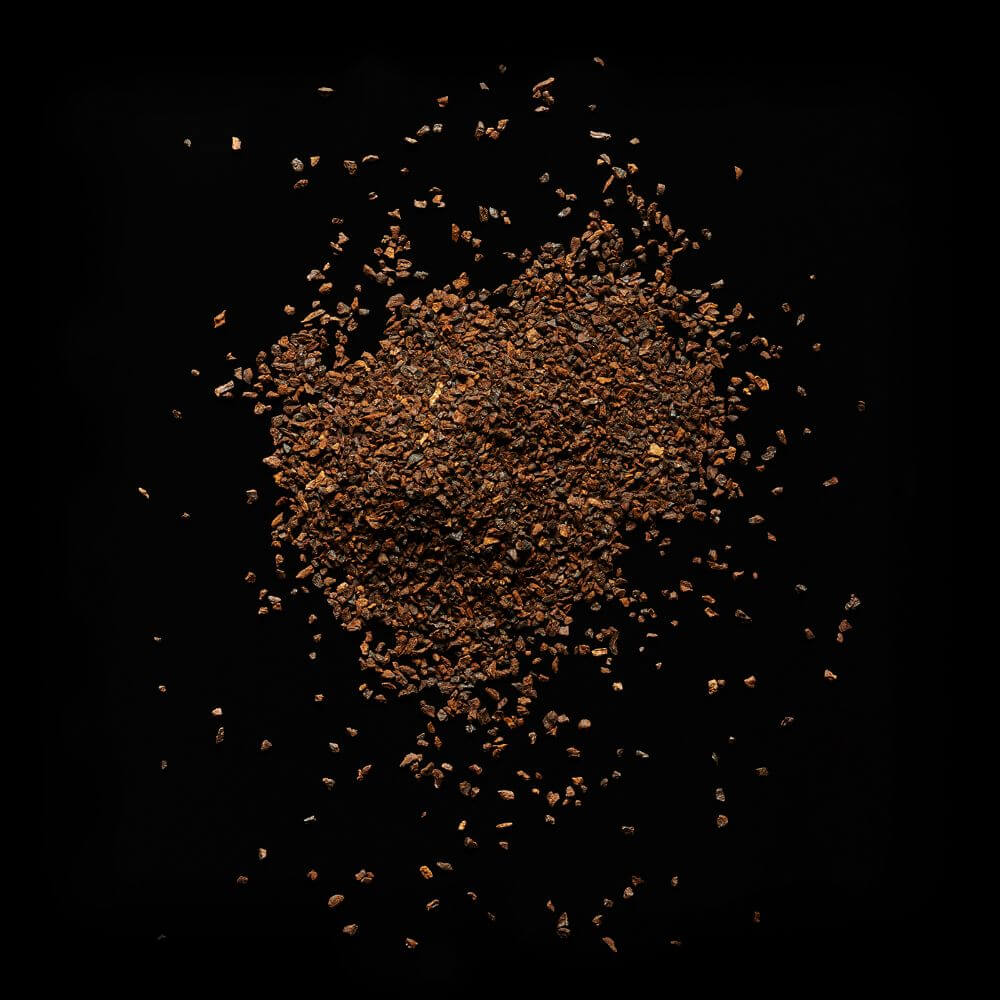
Chicory Root and Burdock Root
Chicory root and burdock root are both rich sources of inulin, a type of prebiotic fiber that produces short-chain fatty acids (SCFA’s) when it's broken down in the small intestines. SCFAs have tons of health benefits, including benefits to gut health, immune function, metabolism, and even cardiovascular health. SCFAs are both fuel for protective bacteria and signaling molecules that communicate with other organs.

Schisandra Berry
Schiandara berry, a bright red fruit that's been used in traditional medicine for thousands of years, has a positive effect on the gut microbiome, according to several studies. Schisandra contains important polysaccharides called lignans that are known to support the growth of healthy gut bacteria. Scientists theorize that this positive effect on the microbiome may help calm inflammation and restore gut homeostasis, easing symptoms of digestive disorders like ulcerative colitis and mental health disorders like depression and anxiety.
What Is The Role of Bitters In Digestion?
Medicinal bitters refer to tinctures or tonics made from a blend of botanicals with a bitter flavor profile. These types of medicinal bitters have been used for centuries in TCM for their ability to aid in digestion and decrease appetite.
Bitter taste receptors are located not just on the tongue but in the intestines, pancreas, brain, and lungs. When bitter polyphenols bind to these receptors, it triggers what scientists refer to as a ‘communication cascade.’ That is, a series of signals that reach the central or peripheral nervous system. In the case of bitters, researchers theorize that certain bitter compounds play a role in signaling hunger, satiety, and even blood sugar control. Scientists are not exactly sure exactly how this signaling works, or which bitter compounds are most potent, but they have noted a relationship between bitter sensitivity and BMI— finding that those with a greater sensitivity to bitter taste have a lower BMI.
Rasāsvāda Supports Gut Health
Rasāsvāda’s line of restorative beverages are made with 100% plants. Botanicals like ume plum, schisandra berry, and Yunnan pu’er tea are carefully pressed and blended to create three functional restoratives: Ruby Artemisia, Rose Bergamot, and Black Ginger. Each with distinctive flavors and health benefits, but all expertly crafted with time-honored botanicals and meticulously created to support longevity in what will soon become your favorite wellness ritual.
FAQs
Disclaimer
This content is for educational purposes only and is not intended as medical advice. Consult a qualified healthcare professional before starting any new herbal regimen, especially if you are pregnant, nursing, having existing medical conditions, or taking medication.
100% plants. 0% preservatives.
Sources
Food Science & Human Wellness | Chicory (Cichorium intybus L.): A Review of Chemical Composition, Bioactivity, and Health Benefits
Journal of Food Biochemistry | Therapeutic Potential and Bioactive Compounds of Prunus mume: A Comprehensive Review of Pharmacological Benefits and Future Directions
Molecules | The Common Chicory (Cichorium intybus L.) as a Source of Extracts with Health-Promoting Properties—A Review
Antioxidants | Chicory (Cichorium intybus L.): A Functional Food Ingredient with Health-Promoting Properties
Nutrients | Inulin-Type Fructans and Human Health: State of the Science
Nutrients | The Role of Chicory Root Fiber in Digestive and Metabolic Health
npj Science of Food | Dietary Fiber, Gut Microbiota, and Human Health: Emerging Evidence
Nutrients | Chicory Root Fiber and the Gut Microbiome: Mechanisms and Clinical Evidence
Molecules | Bioactive Compounds, Nutritional Value, and Health Benefits of Chicory (Cichorium intybus L.)
Neuron | A Gut-Brain Neural Circuit for Nutrient Sensory Transduction ([ScienceDirect article on vagal nutrient sensing and gut-brain communication