
Long before modern extraction techniques, herbalists, physicians, and healers across Asia, Europe, Africa, and the Americas relied on one simple but remarkably effective method: the decoction.
Unlike a quick cup of tea, a decoction requires patience. Tough medicinal plants are gently simmered over time, allowing water to penetrate dense plant tissues and draw out beneficial compounds that simple steeping often leaves behind.
Today, modern research continues to validate what traditional healing systems discovered centuries ago: different plants require different preparation methods. For woody roots, medicinal mushrooms, bark, and hardy seeds, decoction remains one of the most effective water-based extraction techniques available.
Key Takeaways
- A decoction is the process of simmering tough herbs like roots, bark, mushrooms, and seeds in water to extract beneficial compounds.
- The technique has been used for more than 2,000–5,000 years across Traditional Chinese Medicine (TCM), Ayurveda, and European herbal medicine.
- Decoctions are ideal for dense botanical ingredients that release their beneficial constituents slowly.
- Many adaptogenic herbs and medicinal mushrooms traditionally require decoction for optimal extraction.
- Rasāsvāda uses this time-honored brewing method to maximize the potency and flavor of many of its botanical ingredients.
What is a Decoction?
A decoction is an herbal preparation made by gently simmering herbs in water for an extended period, typically between 20 and 60 minutes, although some traditional formulas are simmered even longer.
Unlike delicate flowers and leaves, ingredients include roots and mushrooms that have tough cell walls that require sustained heat to release many of their water-soluble compounds.
The slow simmer helps break down fibrous plant material while allowing minerals, polysaccharides, bitter compounds, tannins, and other phytochemicals to dissolve into the water.
For this reason, decoction has remained a foundational preparation method in traditional herbal medicine for millennia.

A Brewing Tradition Older Than Written Medicine
The exact origins of decoction are unknown, but written records show it has been used in Traditional Chinese Medicine and Ayurveda for more than 2,000 years, and historians believe the practice is much older.
As civilizations developed sophisticated medical systems, decoction became one of their primary methods of preparing herbal remedies.
Traditional Chinese Medicine: The Gold Standard of Herbal Decoctions
Many of the earliest Chinese medical texts including the Shennong Bencao Jing (Divine Farmer's Classic of Materia Medica) and later the Shang Han Lun (Treatise on Cold Damage) describe herbal formulas prepared by simmering combinations of roots, bark, fungi, seeds, and minerals.
Rather than prescribing single herbs, TCM practitioners developed carefully balanced formulas where each ingredient played a specific role.
The herbs were typically weighed, combined, simmered together, strained, and consumed. The preparation itself was considered part of the medicine. Factors like cooking time, herb order, and water volume could all influence the final therapeutic properties.
Even today, many TCM practitioners consider fresh decoctions the traditional gold standard for herbal therapy.

Decoctions in Ayurveda
India's ancient Ayurvedic system developed a nearly identical preparation called Kwatha (also spelled Kashayam).
Classical Ayurvedic texts dating back more than 2,000 years describe simmering medicinal plants until the liquid reduces significantly, concentrating the herbal constituents.
Ayurvedic decoctions commonly feature herbs such as ashwagandha, ginger, and turmeric among others. The reduction process was believed to increase extraction while creating formulas that supported digestion and absorption.
Many Ayurvedic practitioners still prepare fresh decoctions daily.
Medieval European Apothecaries
Long before pharmacies stocked capsules and tinctures, European physicians and monastic herbalists also relied heavily on decoctions.
During the Middle Ages, monastery gardens cultivated medicinal plants including burdock root, angelica, dandelion root, and more. These ingredients were routinely simmered in large copper kettles before being strained into medicinal preparations.
European herbal traditions often referred to decoctions as "waters," "broths," or simply "boiled medicines." By the 16th and 17th centuries, decoctions appeared regularly in official pharmacies throughout Europe.
Why Roots, Bark, and Mushrooms Need Decoction
Leaves and flowers have relatively thin cell walls, making their aromatic compounds easy to extract with hot water. To put it plainly, roots and mushrooms are different. They evolved to withstand harsh environmental conditions and contain thick structural tissues made from cellulose, lignin, and other complex compounds.
Many medicinal mushrooms also contain beta-glucans and polysaccharides embedded within rigid fungal cell walls. Gentle simmering helps to soften plant tissues, extract water-soluble polysaccharides, phytochemicals, and minerals, and dissolve bitter compounds.
Modern phytochemistry continues this method today, but the preparation method should always match the plant.
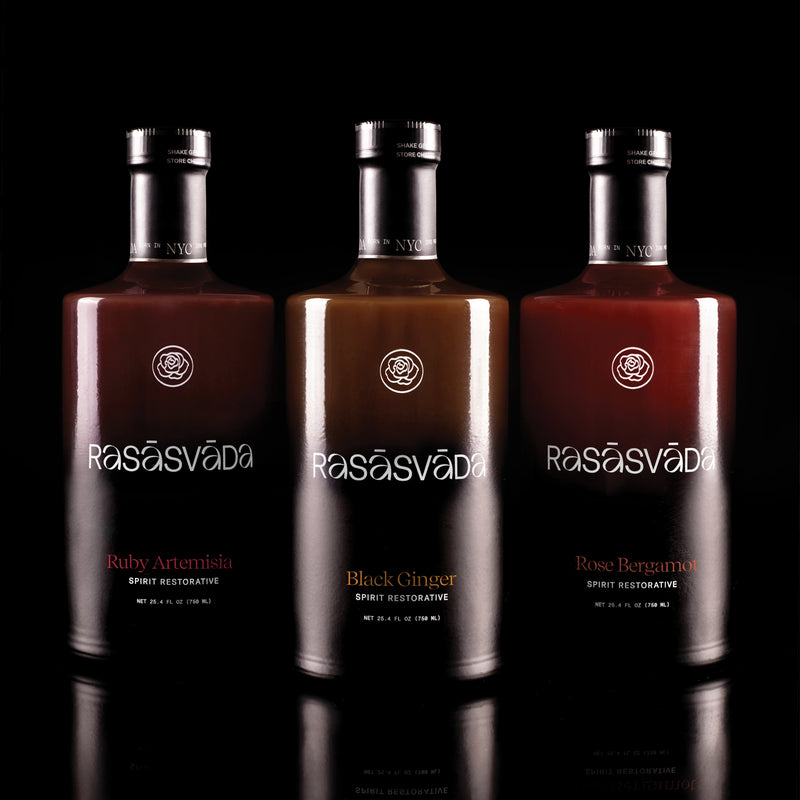
Decoctions in Rasāsvāda
- Maximizes the potency and flavor
- The technique has been used for more than 2,000–5,000 years across traditional medicine.
FAQs
Disclaimer
This content is for educational purposes only and is not intended as medical advice. Consult a qualified healthcare professional before starting any new herbal regimen, especially if you are pregnant, nursing, having existing medical conditions, or taking medication.
100% plants. 0% preservatives.
Sources
Botanical Dietary Supplements Background Information - Consumer
Medicinal Mushroom Science: Current Perspectives, Advances, Evidences, and Challenges
World Health Organization; WHO Expert Committee on Specifications for Pharmaceutical Preparations
World Health Organization; WHO Quality control methods for herbal materials
TCM: Shennong Bencao Jing (Divine Farmer's Classic of Materia Medica)
TCM: Shang Han Lun (Treatise on Cold Damage)