
Inflammation is typically thought of as something negative— elixirs are often touted for their ability to reduce inflammation or stop it altogether. But inflammation is a necessary and even helpful function of our bodies. It helps heal our wounds and fight off viruses and bacteria. It helps our bones heal, and our muscles strengthen. When inflammation becomes chronic, though, it can cause certain diseases, harmful symptoms, and even lead to premature aging.
Here we’ll discuss the difference between “good” and “bad” inflammation, the link between disease and inflammation, and share how certain herbs and plants can help you manage it.
What is Inflammation?
At the most basic level, inflammation is the body’s way of fighting off infection or healing a wound. It causes symptoms like fever, heat, and pain— all of which are unfavorable but can also be signs that your body is fighting and healing. (This is often why it’s sometimes recommended to let a fever run its course, rather than treating it.)
In more detail, inflammation is signaling molecules like cytokines and chemokines, or proteins that make up your immune system. It’s also neutrophils and macrophages— specialized immune cells that clear and repair damaged tissue.
Inflammation doesn’t look the same everywhere in the body. It can trigger different pathways depending on which tissue is affected by the inflammation. It can also be chronic or acute. Harmful or beneficial.

Inflammation and Disease
Chronic Inflammation
Chronic inflammation is, as it sounds, long-term. It’s not associated with healing and instead is linked with the development of disease and other symptoms. Chronic inflammation is often referred to as systemic low-grade inflammation, or systemic inflammation.
Under normal circumstances, inflammation is balanced by ‘off’ and ‘on’ ‘switches, or pro or anti-inflammatory chemical messengers that signal an uptick or downtick in inflammation.
Sometimes, the ‘off-switch’ isn’t functioning as it should— whether due to lifestyle, environmental factors, or the presence of disease. This can lead to systemic or chronic sustained inflammation.
Systemic inflammation usually starts as ‘low-grade’ inflammation. Unlike acute inflammation that comes with a gamut of symptoms, chronic low-grade inflammation doesn’t present with clinical symptoms (so it often goes unnoticed) but it can escalate and cause certain diseases and affect processes like blood sugar regulation and cellular health.
As the inflammation progresses, it can lead to oxidative stress, which can in turn cause more damage to tissues and even more inflammation (more on this below). This is typically the point where chronic inflammation leads to more intense physical symptoms (like pain and stiffness) and the development of disease.
What Causes Chronic Inflammation?
Over time, certain lifestyle factors can contribute to chronic inflammation (and in the same vein, there are things you can do to manage it).

Lifestyle factors that can cause inflammation:
- Diet
- Chronic Stress
- Poor sleep
- Environmental pollution
- Alcohol
- Lack of exercise
- Aging
Importantly, the effects of these lifestyle factors aren’t immediate. For most of us, an occasional slice of cake or a late night isn’t going to send your body into an inflammatory crisis.
Scientists are still working to uncover the specific pathways that are involved in controlling inflammation— this will help them develop targeted medications and treatments for certain inflammatory diseases.
Free Radicals, Oxidative Stress, and the Inflammation Cycle
Over time, certain lifestyle factors can contribute to chronic inflammation (and in the same vein, there are things you can do to manage it).

Free Radicals
Free radicals are naturally occurring, unstable molecules. They can form as the result of your body fighting off an infection or metabolizing food.
Some concentration of free radicals is important and normal —they help fight viruses and support cell development.
But at high concentrations, free radicals can damage our cells. This is called oxidative stress.
Free radicals can come from certain external factors, like:
- Air pollution
- Smoking
- Alcohol
- Toxins like fumes from cleaning solvents
- Poor sleep
- Excessive exercise

Oxidative Stress and the Link to Inflammation
Oxidative stress occurs when there are too many free radicals and not enough antioxidants to neutralize them. Over time, oxidative stress causes damage to cells and ultimately tissues. It’s this damage that triggers the body's inflammatory response.
What’s more, inflammation can cause free radicals, too. Immune cells often release free radicals to fight off a perceived infection or to repair damaged tissues or cells.
Free radicals and inflammation often go hand in hand, with both processes triggering the other.
Fortunately, there are things you can do to manage both oxidative stress and inflammation:
- Get enough sleep
- Have a balanced exercise routine
- Manage stress
- Eat a plant-based diet
Inflammaging: The Link Between Inflammation and Aging
Whether we like it or not, our bodies change as we age. We become more prone to disease and other conditions. We have more aches and pains, and start to move more slowly. Scientists think many of these aging symptoms are actually caused by low-grade chronic inflammation that occurs due to aging.
The good news is that managing inflammation may be one way to slow down the aging process.
In 2000, the phrase “inflammaging” was coined. It’s a term that highlights the important role inflammation plays in the aging process. Scientists have noted that aging adults have higher levels of low-grade inflammation in tissues throughout the body, such as the heart, brain, adipose tissue, and joints. Higher levels of inflammatory molecules indicate an overactive or uncontrolled immune response.
Over time, ‘inflammaging’ leads to age-related diseases such as:
- Arthritis
- Rheumatoid arthritis
- Cardiovascular disease
- Diabetes
- Cancer
- Alzheimer's disease
- Autoimmune diseases
How Anti-Inflammatory Plants Work
The secret to plants' anti-inflammatory powers lies in a group of chemical compounds called phytochemicals.
These compounds are key to a plant's survival and the result of thousands of years of plant evolution. They carry out functions like defending against pests, protecting the plant from harsh weather, and outcompeting other plants for space. They’re also the reason why eating a plant-rich diet is so beneficial.
While there are thousands of phytochemicals (each of which works in different ways), in general, phytochemicals benefit our health because of their anti-inflammatory and antioxidant properties. They have the ability to regulate cellular pathways that control the body's immune response. In other words, they help manage the body's on and off switch that is so crucial for preventing chronic inflammation and ultimately, disease.
And while some phytochemicals may get more time in the limelight than others (resveratrol in red wine, for example), one phytochemical isn’t better than another; rather, a variety of compounds is more powerful than a singular one. Even a single plant will contain dozens of different phytochemicals to help it survive.
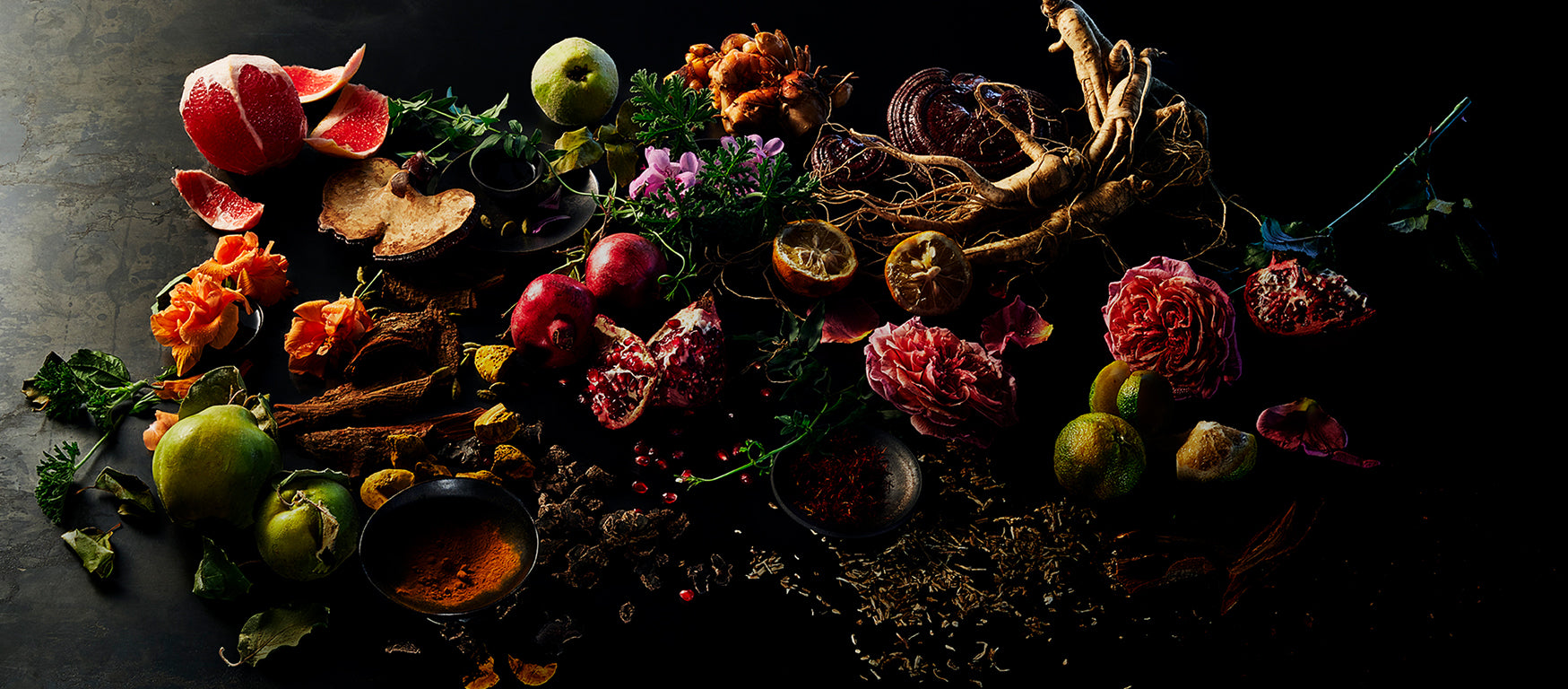
Anti-Inflammatory Plants in the Spotlight
This lemony-flavored plant contains a compound called citral, which is known for its anti-inflammatory properties. Citral works by blocking the release of certain immune cells, which can be overactive in those with certain autoimmune conditions.
Black ginger is popular amongst athletes for its potential benefits on exercise performance. Researchers theorize that it may work by easing inflammation that occurs during exercise as a result of microtears in muscles— a normal result of strength training.
This golden spice is well known for its anti-inflammatory and antioxidant properties. Early animal studies have found that turmeric acts on messenger proteins that are responsible for inflammatory pathways, mainly in the heart, liver, and adipose tissue. This may translate into protective effects against cardiovascular disease, high blood sugar, and liver disease.
Pu-erh tea is a highly prized fermented green tea. It contains an anti-inflammatory compound called theabrownin. Early mouse studies suggest that theabrownin may help balance inflammation associated with aging. For this reason, pu-erh tea is especially interesting to scientists studying longevity.
This popular east asian fruit that is also used in Traditional Chinese Medicine contains polyphenols that have anti-inflammatory properties. More specifically, researchers believe it may help balance inflammation associated with cardiovascular disease, GI disorders, cognitive impairment, and liver health.
Maqui berry is uniquely powerful for its antioxidant concentration, which is thought to be significantly higher than that of other fruits. By mediating oxidative stress, maqui berry may help balance chronic inflammation.
Anti-Inflammatory Plants in Rasāsvāda

Rasāsvāda’s line of restorative beverages are made with 100% plants, some of them hand-harvested, and all of them selected for their healing properties. Start an inflammation-balancing ritual with Ruby Artemisia: bright, tart, and slightly sweet, Black Ginger: bold, bittersweet, and earthy, or Rose Bergamot, bitter, floral, and citrusy. Enjoy science-backed wellness in every sip.
FAQs
Disclaimer
This content is for educational purposes only and is not intended as medical advice. Consult a qualified healthcare professional before starting any new herbal regimen, especially if you are pregnant, nursing, having existing medical conditions, or taking medication.
100% plants. 0% preservatives.
Sources
Journal of Nutritional Biochemistry | Inflammation and Oxidative Stress in Chronic Disease: Current and Emerging Approaches for Prevention and Treatment
Nutrients | Inflammaging and Nutrition in Aging: The Importance of Dietary Patterns in Chronic Low-Grade Inflammation
Journal of Food Biochemistry | Therapeutic Potential and Bioactive Compounds of Prunus mume: A Comprehensive Review of Pharmacological Benefits and Future Directions
Interdisciplinary Topics in Gerontology | Inflamm-Aging: An Evolutionary Perspective on Immunosenescence
StatPearls | Inflammation
Physiological Reviews | Inflammation as a Central Mechanism of Aging and Age-Related Disease